Garden beds are an essential feature for any outdoor space, offering both aesthetic appeal and practical benefits. Whether you’re looking to grow flowers, herbs, or vegetables, a well-designed garden bed can maximize space, improve soil conditions, and provide an organized planting area. In this blog, we will explore the benefits of garden beds, different types, and how to create and maintain them for long-term success.
Benefits of Garden Beds
Better Soil Control
Garden beds allow you to control soil quality by adding nutrient-rich soil, compost, and organic matter, leading to healthier plants and improved yields.
Improved Drainage
Raised or elevated garden beds provide excellent drainage, preventing waterlogging and reducing the risk of root rot, especially in areas with heavy rainfall.
Reduced Weed Growth
A contained garden bed minimizes the spread of weeds, making it easier to manage and maintain your plants without constant weeding.
Easier Access and Maintenance
Raised beds make gardening more accessible, reducing the need to bend or kneel, which is particularly beneficial for elderly gardeners or those with mobility issues.
Enhanced Aesthetic Appeal
Well-structured garden beds create a neat, organized, and visually appealing landscape, enhancing the beauty of your backyard or garden space.
Types of Garden Beds
Raised Garden Beds
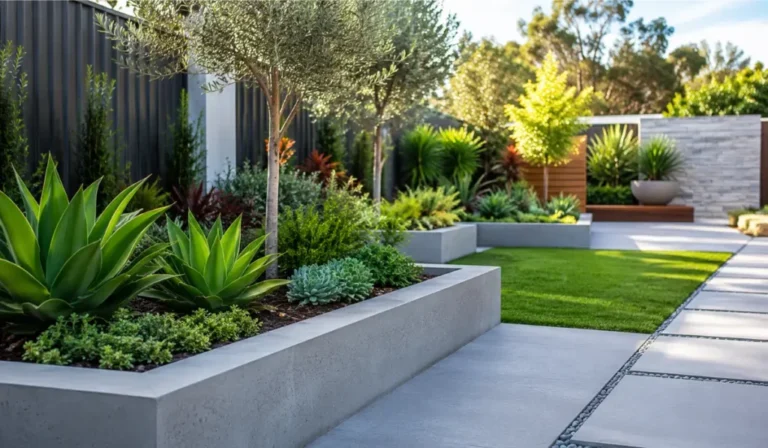
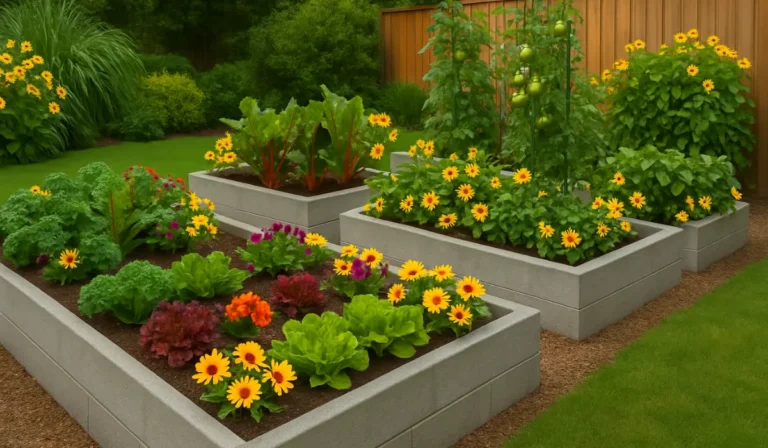
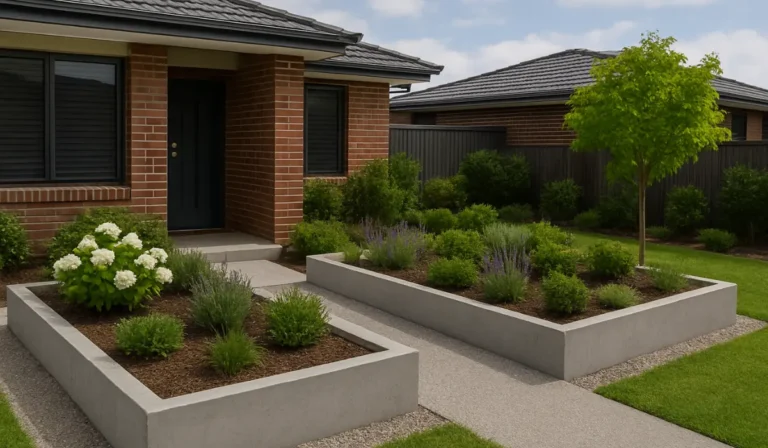
Constructed above ground using wood, metal, or stone, raised beds offer better soil control and drainage, making them ideal for vegetable and flower gardening.
In-Ground Garden Beds
These beds are dug directly into the soil, making them cost-effective and easy to establish, but they may require additional soil amendments for optimal plant growth.
Container Garden Beds
Ideal for small spaces, containers allow gardening on patios, balconies, or areas with poor soil conditions. They are portable and easy to manage.
Keyhole Garden Beds
Designed in a circular shape with a central composting area, keyhole beds maximize space and provide natural fertilization for plants.
Vertical Garden Beds
A great option for urban gardening, vertical beds use trellises or wall-mounted planters to grow herbs, vegetables, and flowers in limited spaces.
How to Build a Garden Bed: Step-by-Step Guide
Choosing the Location
- Select a spot with adequate sunlight (at least 6-8 hours daily).
- Ensure easy access to water sources.
- Consider protection from strong winds and pests.
Preparing the Soil
- Remove weeds, grass, and debris from the area.
- Loosen the soil and add organic matter like compost or manure.
- Test the soil pH and adjust if necessary for plant-specific needs.
Constructing the Garden Bed
- Use wooden planks, bricks, or metal frames to build raised beds.
- Ensure proper dimensions (typically 4 feet wide for easy access).
- Secure the structure firmly to prevent soil erosion.
Adding Soil and Compost
- Fill the bed with a nutrient-rich soil mix, combining topsoil, compost, and organic matter.
- Level the soil and allow it to settle before planting.
Planting Your Garden Bed
- Choose suitable plants based on the season and climate.
- Space plants appropriately to allow growth and air circulation.
- Water thoroughly after planting and apply mulch to retain moisture.
Maintaining Your Garden Bed
- Watering: Keep the soil consistently moist but avoid overwatering.
- Fertilization: Add organic compost or fertilizers as needed.
- Pest Control: Use natural remedies like neem oil or companion planting.
- Pruning & Harvesting: Regularly trim and harvest plants to promote growth.
- Seasonal Care: Prepare beds for new planting seasons by replenishing soil nutrients.
Creating a garden bed is an excellent way to enhance your outdoor space while enjoying the benefits of fresh produce and beautiful flowers. Whether you’re a beginner or an experienced gardener, a well-planned garden bed can bring long-term satisfaction and sustainability. For expert landscaping solutions, contact Sid and Jazz Concreters today!
FAQs
What is the best material for raised garden beds?
Wood (cedar or redwood), metal, and stone are popular choices due to their durability and resistance to decay.
How deep should a garden bed be?
A depth of 12-18 inches is ideal for most plants, but root vegetables may require deeper beds.
How often should I water my garden bed?
It depends on the climate and plant type, but generally, 2-3 times per week is sufficient. Mulching helps retain moisture.
Can I grow vegetables in a garden bed year-round?
Yes, with seasonal planning and protection like row covers or greenhouses, you can grow vegetables throughout the year.
What are the best plants for a beginner’s garden bed?
Lettuce, tomatoes, carrots, basil, and marigolds are easy-to-grow plants that thrive in garden beds.
Wood (cedar or redwood), metal, and stone are popular choices due to their durability and resistance to decay.
A depth of 12-18 inches is ideal for most plants, but root vegetables may require deeper beds.
It depends on the climate and plant type, but generally, 2-3 times per week is sufficient. Mulching helps retain moisture.
Yes, with seasonal planning and protection like row covers or greenhouses, you can grow vegetables throughout the year.
Lettuce, tomatoes, carrots, basil, and marigolds are easy-to-grow plants that thrive in garden beds.
Leave a comment