Shed Slabs: The Foundation of a Strong & Durable Shed
Shed Slabs

Shed Slabs: The Foundation of a Strong & Durable Shed

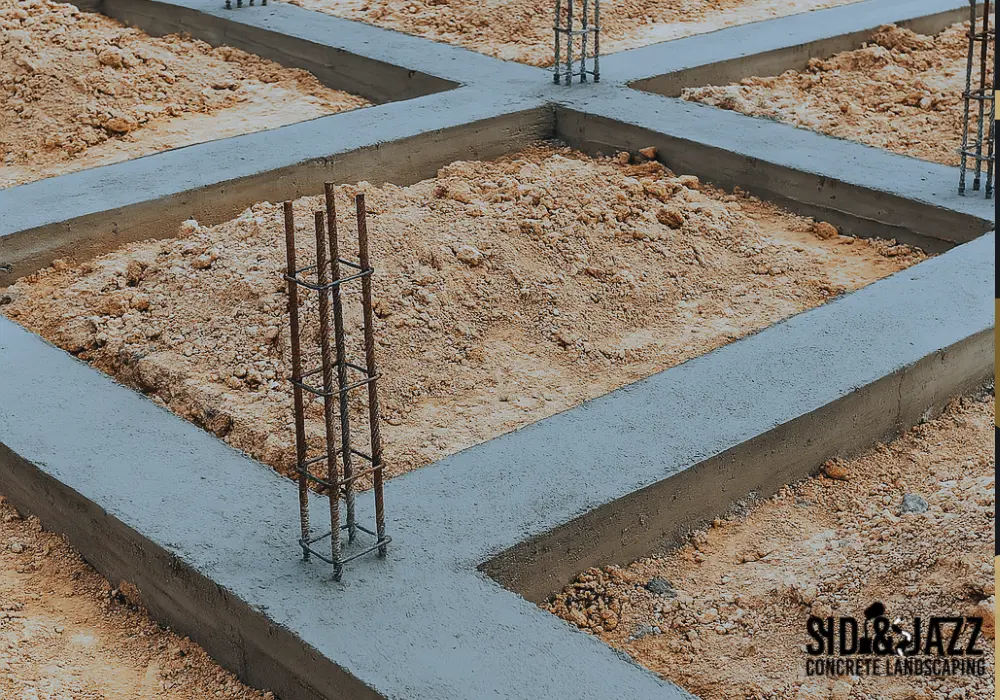
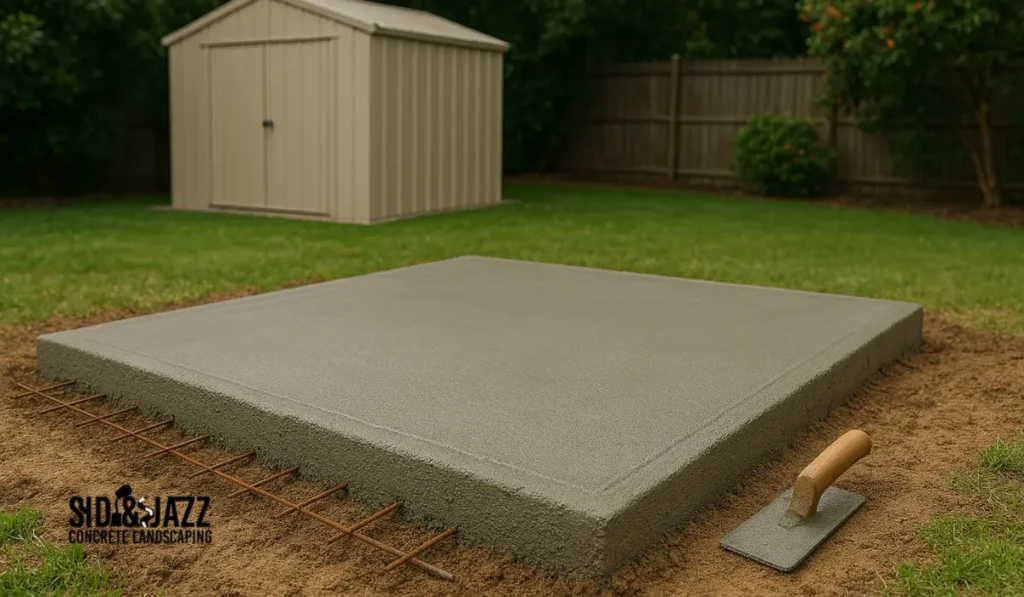
Shed Slabs: The Foundation of a Strong & Durable Shed A solid and stable foundation is crucial for any shed, and shed slabs are the best solution for ensuring durability and longevity. Whether you’re building a small garden shed or a large storage unit, a well-constructed concrete slab provides strength, stability, and protection against environmental factors. In this blog, we will explore the benefits, construction process, and essential factors to consider when installing shed slabs. Why Choose Concrete Shed Slabs? Exceptional Strength Concrete shed slabs offer a strong and stable foundation that can support heavy loads without cracking or shifting over time. This ensures the longevity of your shed and prevents structural damage.  Durability & Weather Resistance  Concrete is highly resistant to weather conditions, including rain, heat, and frost. Unlike wooden or gravel bases, concrete slabs do not rot, shift, or deteriorate over time.  Pest and Moisture Protection   A concrete slab prevents moisture from seeping into the shed, reducing the risk of mold, mildew, and wood rot. It also acts as a barrier against pests like termites and rodents.  Low Maintenance   Once installed, a concrete shed slab requires minimal upkeep. Regular cleaning and occasional sealing help maintain its strength and appearance for years to come. How to Construct a Shed Slab: Step-by-Step Guide  Planning and Preparation   Choose a suitable location with proper drainage. Measure the dimensions of your shed to determine the slab size. Mark the area and clear any debris or vegetation. Excavation and Base Preparation Dig the ground to a depth of approximately 100mm–150mm. Level the surface and compact the soil for a firm base. Lay a layer of crushed gravel or road base for added stability.   Formwork Installation Construct a timber or steel formwork around the perimeter of the slab. Ensure it is level and secured properly to prevent movement. Reinforcement Placement Install a steel mesh or reinforcement bars (rebar) to increase strength. Elevate the mesh slightly using plastic or concrete spacers. Pouring the Concrete Mix and pour the concrete evenly within the formwork. Use a screed board to level the surface and remove excess concrete.  Finishing and Curing Smooth the surface with a trowel or float for a clean finish. Allow the slab to cure for at least 7 days before placing the shed. Keep the slab moist during curing to prevent cracks. Key Considerations for a Strong Shed Slab Thickness: A standard shed slab is typically 100mm thick, but for heavy-duty sheds, a 150mm slab with reinforcement is recommended. Reinforcement: Steel mesh or rebar enhances the load-bearing capacity and prevents cracking. Drainage: Proper slope and drainage prevent water buildup around the shed. Sealing: Applying a concrete sealer protects against moisture and stains. Conclusion A properly constructed shed slab ensures a strong, durable, and long-lasting foundation for your shed. Investing in a high-quality concrete slab minimizes future repairs, enhances structural stability, and provides excellent resistance to environmental elements. For expert shed slab installation, contact Sid and Jazz Concreters today and get a sturdy foundation for your shed! FAQs How thick should a shed slab be? A standard shed slab should be at least 100mm thick, but for heavy-duty applications, a 150mm slab with reinforcement is recommended. Do I need reinforcement for a shed slab? Reinforcement, such as steel mesh or rebar, is recommended for added strength and to prevent cracking, especially for larger sheds or heavy loads. How long does a shed slab take to cure? Concrete slabs typically take about 7 days to cure before they can support a shed. However, full strength is achieved after 28 days. Can I build a shed directly on the ground instead of a slab?   While some sheds can be placed on gravel or treated wood foundations, a concrete slab provides the best stability, durability, and protection against moisture and pests. How do I maintain a shed slab? Regular cleaning, sealing, and ensuring proper drainage around the slab will help maintain its longevity and appearance over time. A standard shed slab should be at least 100mm thick, but for heavy-duty applications, a 150mm slab with reinforcement is recommended. Reinforcement, such as steel mesh or rebar, is recommended for added strength and to prevent cracking, especially for larger sheds or heavy loads. Concrete slabs typically take about 7 days to cure before they can support a shed. However, full strength is achieved after 28 days.   While some sheds can be placed on gravel or treated wood foundations, a concrete slab provides the best stability, durability, and protection against moisture and pests. Regular cleaning, sealing, and ensuring proper drainage around the slab will help maintain its longevity and appearance over time.
How to Choose the Perfect Exposed Aggregate Finish for Your Driveway & Patio
Exposed Aggregate

How to Choose the Perfect Exposed Aggregate Finish for Your Driveway & Patio

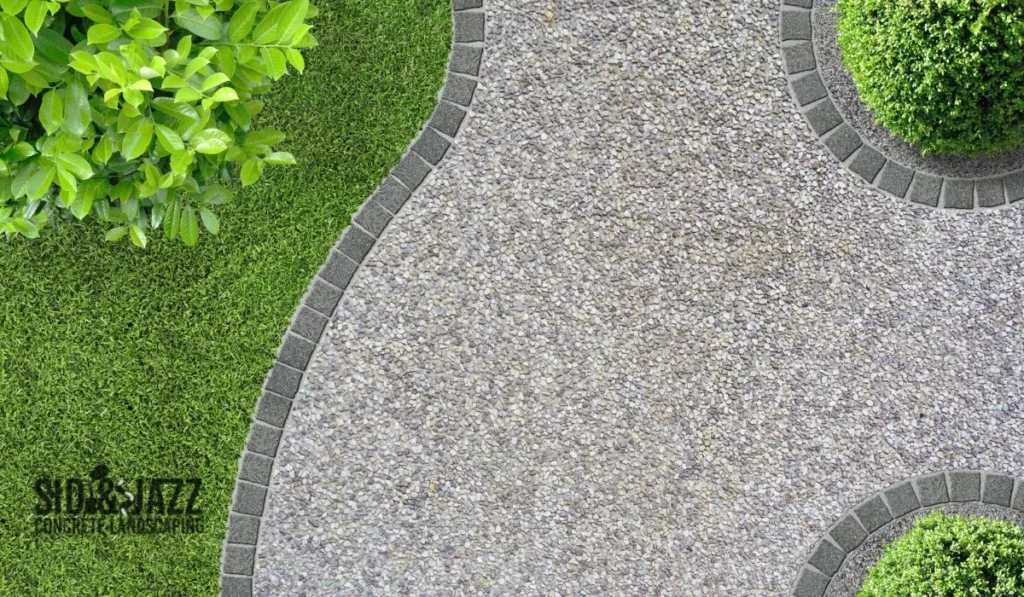
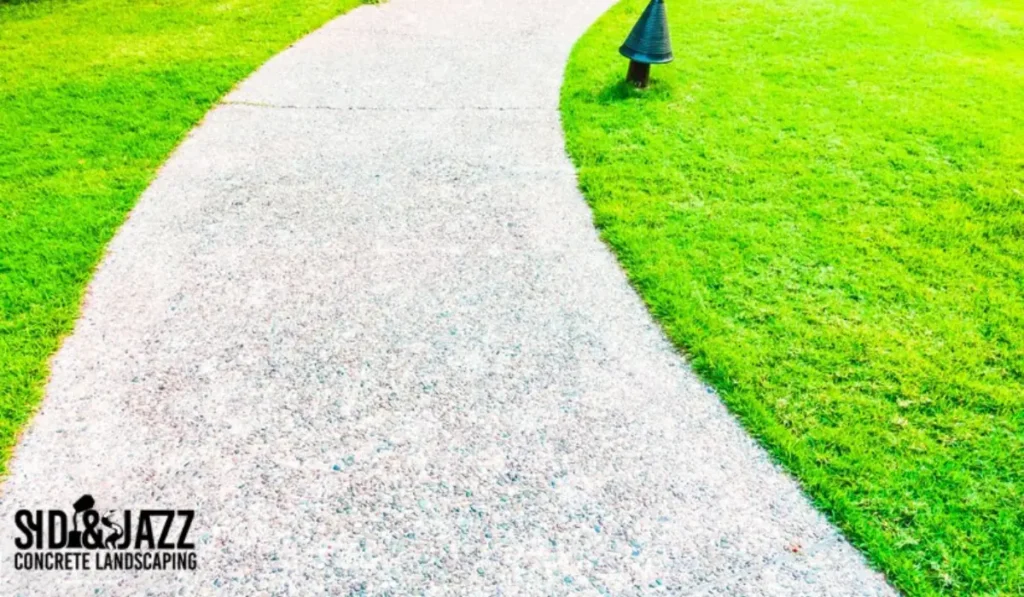
How to Choose the Perfect Exposed Aggregate Finish for Your Driveway & Patio Exposed aggregate concrete is a top choice for homeowners looking to enhance their driveways and patios with a stylish, durable, and slip-resistant surface. But with so many finishes and customisation options available, selecting the perfect exposed aggregate finish can be overwhelming. This guide will help you make the best decision by considering key factors such as design preferences, durability, climate conditions, and maintenance requirements. Understand What Exposed Aggregate Concrete Is Exposed aggregate concrete is a decorative finish that involves removing the top layer of cement paste to reveal the embedded stones, pebbles, or decorative aggregates underneath. This process enhances texture, aesthetics, and durability, making it ideal for high-traffic areas like driveways and patios. Consider the Aggregate Type & Colour The type and colour of aggregates play a major role in the final appearance of your surface. Here are some popular options: Natural Stone Aggregates: Granite, quartz, or river pebbles for a polished look. Glass Aggregates: Crushed glass can add a modern and eye-catching effect. Coloured Aggregates: Available in shades of brown, red, blue, and grey to match your home’s aesthetic. Choose the Right Exposure Method There are different ways to expose the aggregate, each creating a unique texture and finish: Standard Exposure: Surface is lightly washed to reveal the stones beneath. Seeded Aggregate: Additional decorative aggregates are spread over wet concrete for a customised look. Abrasive Blasting: Uses sandblasting to create a rougher, slip-resistant surface. Polished Finish: The surface is ground and polished for a sleek, high-end appearance. Think About Slip Resistance & Safety Driveways and patios need to be safe, especially in wet conditions. To improve slip resistance: Choose smaller, textured aggregates. Opt for a light sandblasting or brushed finish. Apply a non-slip sealer to maintain traction and durability. Match the Finish with Your Home’s Style The finish should complement your home’s architectural style and landscape. Consider: Modern Homes: Polished or glass-seeded finishes. Traditional Homes: Natural stone or earth-toned aggregates. Coastal Homes: Blue or white quartz for a beach-inspired look. Consider Climate & Maintenance Different finishes react differently to weather conditions.          For hot climates: Lighter aggregates reflect heat, keeping the surface cool.                For cold climates: Ensure proper sealing to prevent freeze-thaw damage.          Regular maintenance: Sweep and wash periodically, and reseal every 2-3 years to maintain the finish. Work with a Professional Installer To achieve the best results, hire an experienced contractor who specialises in exposed aggregate concrete. They can provide guidance on mix designs, finishes, and sealing options to enhance longevity. Why Choose Sid and Jazz Concreters? If you’re looking for top-quality exposed aggregate driveways, decorative concrete finishes, or durable concrete solutions, Sid and Jazz Concreters is your go-to service provider. With expertise in concrete resurfacing, patio installations, retaining walls, and custom concrete designs, they offer tailored solutions that match your style and budget. Whether you need a new driveway, a patio upgrade, or a complete outdoor transformation, their team ensures high-quality craftsmanship and lasting durability. Learn More About Concrete Sealing To maintain the beauty and longevity of your exposed aggregate surface, proper sealing is essential. Learn more about the best concrete sealers for exposed aggregate atConcrete Network, where you can find expert recommendations on sealers that enhance durability, colour, and slip resistance. Final Thoughts Choosing the perfect exposed aggregate finish for your driveway and patio involves balancing aesthetics, functionality, and durability. By selecting the right aggregate type, exposure method, and maintenance plan, you can achieve a stunning and long-lasting surface that enhances your property’s kerb appeal. Need expert advice? Contact Sid and Jazz Concreters today to explore the best options for your project, whether it’s exposed aggregate concrete, stamped concrete, or decorative landscaping solutions! FAQs What is exposed aggregate concrete?What is exposed aggregate concrete? Exposed aggregate concrete is a decorative surface created by removing the top layer of cement to reveal stones, pebbles, or decorative aggregates beneath, offering a textured and durable finish. What are the benefits of exposed aggregate for driveways and patios? It’s stylish, slip-resistant, highly durable, and offers many customisation options in terms of texture, aggregate type, and colour. How do I choose the right aggregate for my driveway or patio? Consider your home’s aesthetic, aggregate size, colour, and texture. Natural stone gives a classic look, while coloured or glass aggregates create a modern vibe. What are the different types of finishes for exposed aggregate concrete? Popular finish methods include standard exposure, seeded aggregate, abrasive blasting, and polished finishes, each offering a unique texture and visual appeal. Is exposed aggregate slippery when wet? Not necessarily. You can improve slip resistance by using smaller, textured aggregates, light sandblasting, or applying a non-slip concrete sealer. Exposed aggregate concrete is a decorative surface created by removing the top layer of cement to reveal stones, pebbles, or decorative aggregates beneath, offering a textured and durable finish. It’s stylish, slip-resistant, highly durable, and offers many customisation options in terms of texture, aggregate type, and colour. Consider your home’s aesthetic, aggregate size, colour, and texture. Natural stone gives a classic look, while coloured or glass aggregates create a modern vibe. Popular finish methods include standard exposure, seeded aggregate, abrasive blasting, and polished finishes, each offering a unique texture and visual appeal. Not necessarily. You can improve slip resistance by using smaller, textured aggregates, light sandblasting, or applying a non-slip concrete sealer.

Garden Beds: Enhancing Your Outdoor Space with Beautiful and Productive Planting Areas
Garden Beds

Garden Beds: Enhancing Your Outdoor Space with Beautiful and Productive Planting Areas

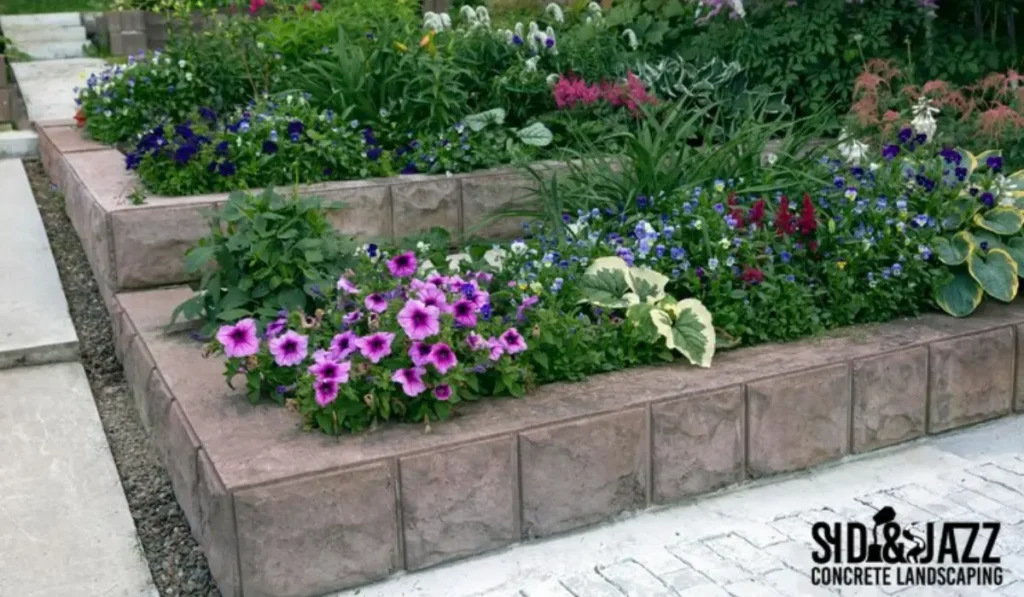
Garden Beds: Enhancing Your Outdoor Space with Beautiful and Productive Planting Areas Garden beds are an essential feature for any outdoor space, offering both aesthetic appeal and practical benefits. Whether you’re looking to grow flowers, herbs, or vegetables, a well-designed garden bed can maximize space, improve soil conditions, and provide an organized planting area. In this blog, we will explore the benefits of garden beds, different types, and how to create and maintain them for long-term success. Benefits of Garden Beds Better Soil Control Garden beds allow you to control soil quality by adding nutrient-rich soil, compost, and organic matter, leading to healthier plants and improved yields. Improved Drainage  Raised or elevated garden beds provide excellent drainage, preventing waterlogging and reducing the risk of root rot, especially in areas with heavy rainfall. Reduced Weed Growth A contained garden bed minimizes the spread of weeds, making it easier to manage and maintain your plants without constant weeding. Easier Access and Maintenance Raised beds make gardening more accessible, reducing the need to bend or kneel, which is particularly beneficial for elderly gardeners or those with mobility issues. Enhanced Aesthetic Appeal  Well-structured garden beds create a neat, organized, and visually appealing landscape, enhancing the beauty of your backyard or garden space. Types of Garden Beds Raised Garden Beds Constructed above ground using wood, metal, or stone, raised beds offer better soil control and drainage, making them ideal for vegetable and flower gardening. In-Ground Garden Beds These beds are dug directly into the soil, making them cost-effective and easy to establish, but they may require additional soil amendments for optimal plant growth. Container Garden Beds  Ideal for small spaces, containers allow gardening on patios, balconies, or areas with poor soil conditions. They are portable and easy to manage. Keyhole Garden Beds  Designed in a circular shape with a central composting area, keyhole beds maximize space and provide natural fertilization for plants. Vertical Garden Beds  A great option for urban gardening, vertical beds use trellises or wall-mounted planters to grow herbs, vegetables, and flowers in limited spaces. How to Build a Garden Bed: Step-by-Step Guide  Choosing the Location Select a spot with adequate sunlight (at least 6-8 hours daily). Ensure easy access to water sources. Consider protection from strong winds and pests. Preparing the Soil Remove weeds, grass, and debris from the area. Loosen the soil and add organic matter like compost or manure. Test the soil pH and adjust if necessary for plant-specific needs.  Constructing the Garden Bed Use wooden planks, bricks, or metal frames to build raised beds. Ensure proper dimensions (typically 4 feet wide for easy access). Secure the structure firmly to prevent soil erosion.  Adding Soil and Compost Fill the bed with a nutrient-rich soil mix, combining topsoil, compost, and organic matter. Level the soil and allow it to settle before planting. Planting Your Garden Bed Choose suitable plants based on the season and climate. Space plants appropriately to allow growth and air circulation. Water thoroughly after planting and apply mulch to retain moisture. Maintaining Your Garden Bed Watering: Keep the soil consistently moist but avoid overwatering. Fertilization: Add organic compost or fertilizers as needed. Pest Control: Use natural remedies like neem oil or companion planting. Pruning & Harvesting: Regularly trim and harvest plants to promote growth. Seasonal Care: Prepare beds for new planting seasons by replenishing soil nutrients.Creating a garden bed is an excellent way to enhance your outdoor space while enjoying the benefits of fresh produce and beautiful flowers. Whether you’re a beginner or an experienced gardener, a well-planned garden bed can bring long-term satisfaction and sustainability. For expert landscaping solutions, contact Sid and Jazz Concreters today! FAQs What is the best material for raised garden beds?  Wood (cedar or redwood), metal, and stone are popular choices due to their durability and resistance to decay. How deep should a garden bed be? A depth of 12-18 inches is ideal for most plants, but root vegetables may require deeper beds. How often should I water my garden bed?  It depends on the climate and plant type, but generally, 2-3 times per week is sufficient. Mulching helps retain moisture. Can I grow vegetables in a garden bed year-round? Yes, with seasonal planning and protection like row covers or greenhouses, you can grow vegetables throughout the year. What are the best plants for a beginner’s garden bed?  Lettuce, tomatoes, carrots, basil, and marigolds are easy-to-grow plants that thrive in garden beds.  Wood (cedar or redwood), metal, and stone are popular choices due to their durability and resistance to decay. A depth of 12-18 inches is ideal for most plants, but root vegetables may require deeper beds.  It depends on the climate and plant type, but generally, 2-3 times per week is sufficient. Mulching helps retain moisture. Yes, with seasonal planning and protection like row covers or greenhouses, you can grow vegetables throughout the year.  Lettuce, tomatoes, carrots, basil, and marigolds are easy-to-grow plants that thrive in garden beds.

Concrete Footings
Concrete Footings

Concrete Footings for Strong & Stable Foundations

Concrete Footings: The Foundation for Stability and Strength Concrete footings are a crucial part of any construction project, providing the essential foundation that supports structures such as homes, buildings, and fences. Properly designed and installed concrete footings ensure the stability and longevity of a structure by distributing weight evenly across the ground. In this blog, we’ll explore the importance of concrete footings, the different types, how they’re installed, and answer some frequently asked questions to help you understand their vital role in construction. What Are Concrete Footings? Concrete footings are the base on which a structure is built. They are typically made of poured concrete, designed to support the weight of the structure and prevent settling or shifting. Footings spread the load of the building across a larger area of the soil, ensuring that the structure remains stable over time. Importance of Concrete Footings Provides Stability and Support Concrete footings prevent a building from settling unevenly, which could cause cracks and structural damage. They provide the foundation that helps maintain the structural integrity of the building. Distributes the Load  Footings ensure that the weight of the building is evenly spread across the ground, preventing localized pressure that could lead to soil movement or foundation issues. Prevents Soil Movement  Properly designed footings are crucial in areas with expansive soils or unstable ground, as they help prevent foundation shifts caused by soil movement. Durability and Longevity Concrete footings are designed to withstand the test of time, offering long-lasting stability. They resist wear and tear, weather conditions, and even the effects of moisture. Aids in Compliance Concrete footings are often required by building codes to meet safety standards. Ensuring proper installation helps meet legal requirements and keeps your project in compliance. Types of Concrete Footings Slab-on-Grade Footings  This type of footing is a concrete slab that rests directly on the ground. It’s typically used for small buildings and is poured in one continuous piece. Strip Footings Strip footings are long, continuous strips of concrete that support load-bearing walls. These are commonly used for residential buildings. Spread Footings Spread footings are wider and are designed to support larger structures, like commercial buildings. They distribute weight over a larger area. Piled Footings Piled footings are used when the soil is weak or unstable, and deep foundation piles are driven into the ground to provide support. Slab Footings with Beams  This type combines a concrete slab with a series of beams. It’s commonly used for buildings with irregular layouts or where additional strength is required. How Concrete Footings Are Installed Excavation The area where the footing will be installed is excavated to the required depth. Formwork  Wooden or metal forms are placed to shape the concrete, ensuring that it stays in the desired form during the pouring process. Reinforcement Steel rebar is placed inside the formwork to add strength and prevent cracking. Pouring the Concrete  Concrete is poured into the forms, filling the space around the reinforcement and creating a solid footing. Curing After the concrete is poured, it is left to cure and harden over time, ensuring that it reaches its full strength. Maintaining Concrete Footings Inspection: Periodically inspect footings for signs of cracking, settling, or other damage. Water Drainage: Ensure proper drainage around the foundation to prevent water from accumulating around the footings, which could cause erosion or cracking. Reinforcement: If any issues arise, reinforcing the footing with additional concrete or rebar may be necessary to maintain stability. FAQs 1. Why are concrete footings important for building stability? Concrete footings distribute the weight of the structure evenly across the soil, preventing settling and ensuring the building remains stable. 2. How deep should concrete footings be?  The depth of concrete footings depends on the type of soil and the structure being built, but they typically range from 18 inches to several feet deep. 3. Can footings be repaired if they crack?  Yes, cracked footings can be repaired using methods like epoxy injection or by pouring additional concrete over the damaged areas to restore strength. 4. How long does it take for concrete footings to cure?  Concrete footings generally take around 7 days to cure to sufficient strength, but they can take up to 28 days for full curing. 5. What is the cost of installing concrete footings?  The cost of installing concrete footings varies depending on factors like location, depth, material, and the type of structure. It’s best to consult a contractor for an accurate estimate. Concrete footings distribute the weight of the structure evenly across the soil, preventing settling and ensuring the building remains stable.  The depth of concrete footings depends on the type of soil and the structure being built, but they typically range from 18 inches to several feet deep.  Yes, cracked footings can be repaired using methods like epoxy injection or by pouring additional concrete over the damaged areas to restore strength.  Concrete footings generally take around 7 days to cure to sufficient strength, but they can take up to 28 days for full curing.  The cost of installing concrete footings varies depending on factors like location, depth, material, and the type of structure. It’s best to consult a contractor for an accurate estimate.

Concrete Slabs
Concrete Landscaping

Unbreakable Ground: The Power of Reinforced Concrete Slabs

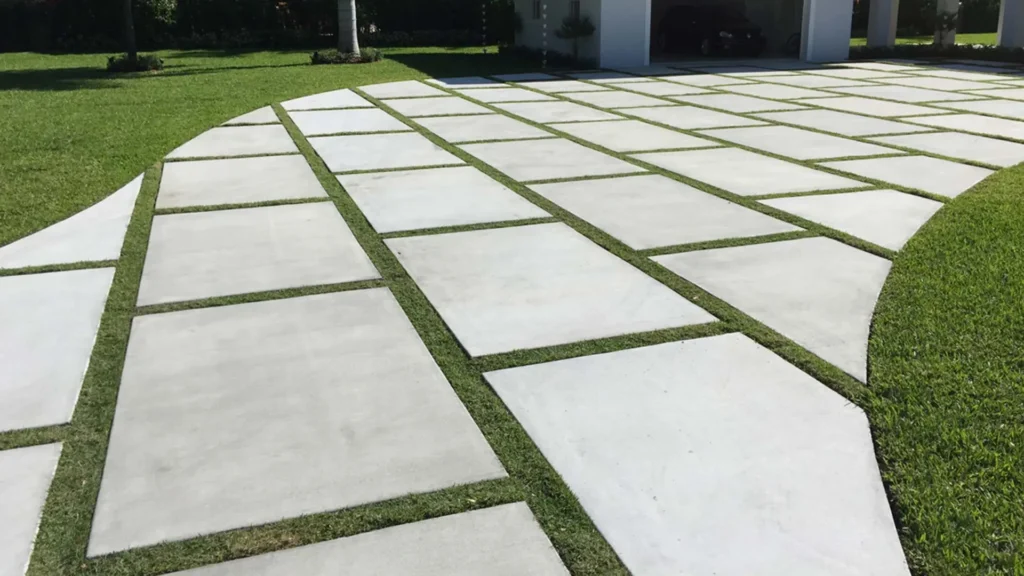
Unbreakable Ground: The Power of Reinforced Concrete Slabs We are a leading provider of high-quality Concrete Landscaping for residential and commercial projects. Our expertise in landscaping and concrete ensures durable and long-lasting outcomes. Our team can help you bring your vision of a concrete patio, driveway, or decorative slab to life. What are Reinforced Concrete Slabs (RCS)? Reinforced concrete is a horizontal, flat structural element. It supports loads and distributes the load evenly over its surface. The slab is made of reinforced concrete, which has steel bars or mesh embedded in it to increase its strength and resistance against cracking. These slabs are used widely in concrete landscapes, including driveways and pathways, patios and garden areas. Benefits of Reinforced Concrete Slabs 1.High strength and durability Our reinforced concrete slabs are ideal for heavy-duty industrial areas and stylish outdoor landscaping. 2. Long Lifespan Concrete is naturally resistant to fire, which adds an extra layer of protection for your outdoor structures and spaces. 3.Fire Resistance Concrete is naturally resistant to fire, which adds an extra layer of protection for your outdoor structures and spaces. 4. Resistant to moisture and weather Our slabs are ideal for landscaping and concrete projects. They can withstand heavy rain, snow and temperature changes. 5. Versatility of Landscaping No matter if you are looking for a modern driveway or patio or even a durable garden pathway, reinforced concrete slabs, can be seamlessly integrated into any concrete landscape project. There are many types of reinforced concrete slabs One Way Slab is ideal for small patios or garden paths.Two Way Slab: Ideal for large driveways and outdoor commercial spaces.The hollow core slab is lightweight yet strong and great for elevated landscaping.Ribbed slab: High load-bearing capability with a stylish finish.Flat Slab: A modern choice for sleek, open landscapes. Our Concrete Landscaping Services Concrete Driveways: durable and stylish solutions for your home.Patios & Pathways: Custom designed concrete slabs can enhance your garden.Decorative concrete: Available in stamped, stained and exposed aggregate options.Retaining walls: Strength combined with beauty to structure your landscape.Outdoor living spaces: Custom built slabs for seating, BBQ zones and more. Construction Process 1.Site preparationBefore installation, our team will prepare the site by levelling it, compacting it, and clearing any debris.2.Formwork InstallationOur moulds are precisely shaped to fit your landscape needs.3. Reinforcement PlacementTo increase strength and durability, steel reinforcement bars or mesh is added.4. Concrete PouringPouring and levelling concrete of high quality is done to ensure durability and appearance.5. Curing and FinishingFor a polished, long-lasting look, we use curing techniques. Why choose Sid & Jazz Concrete Landscaping Expert Craftsmanship – Years of experience in concrete and landscaping. Custom Designs – Tailored solutions to match your style and budget. High-Quality Materials – Durable, weather-resistant concrete slabs.  Customer Satisfaction – Trusted by homeowners and businesses across the region. Affordable Pricing – Competitive rates without compromising on quality FAQs How thick should a reinforced concrete slab be? The thickness depends on the project. Residential concrete landscaping slabs are typically 4-6 inches thick, while commercial slabs may range from 8-12 inches. What causes cracks in concrete slabs? Cracks can result from shrinkage, improper curing, excessive loads, or foundation settlement. Our expert team ensures proper installation to minimize such risks. Can reinforced concrete slabs be repaired if damaged? Yes, minor cracks can be repaired with epoxy injections, while larger issues may require resurfacing or reinforcement. How long does a reinforced concrete slab last? With proper maintenance, a reinforced concrete slab can last 50-100 years, making it a long term investment for your concrete landscaping needs. Are reinforced concrete slabs environmentally friendly? Yes! We use sustainable practices, including recycled materials and eco-friendly concrete options. The thickness depends on the project. Residential concrete landscaping slabs are typically 4-6 inches thick, while commercial slabs may range from 8-12 inches. Cracks can result from shrinkage, improper curing, excessive loads, or foundation settlement. Our expert team ensures proper installation to minimize such risks. Yes, minor cracks can be repaired with epoxy injections, while larger issues may require resurfacing or reinforcement. With proper maintenance, a reinforced concrete slab can last 50-100 years, making it a long term investment for your concrete landscaping needs. Yes! We use sustainable practices, including recycled materials and eco-friendly concrete options.

Transforming Spaces with Innovative Concrete Landscapes
Concrete Landscaping

Transforming Spaces with Innovative Concrete Landscapes

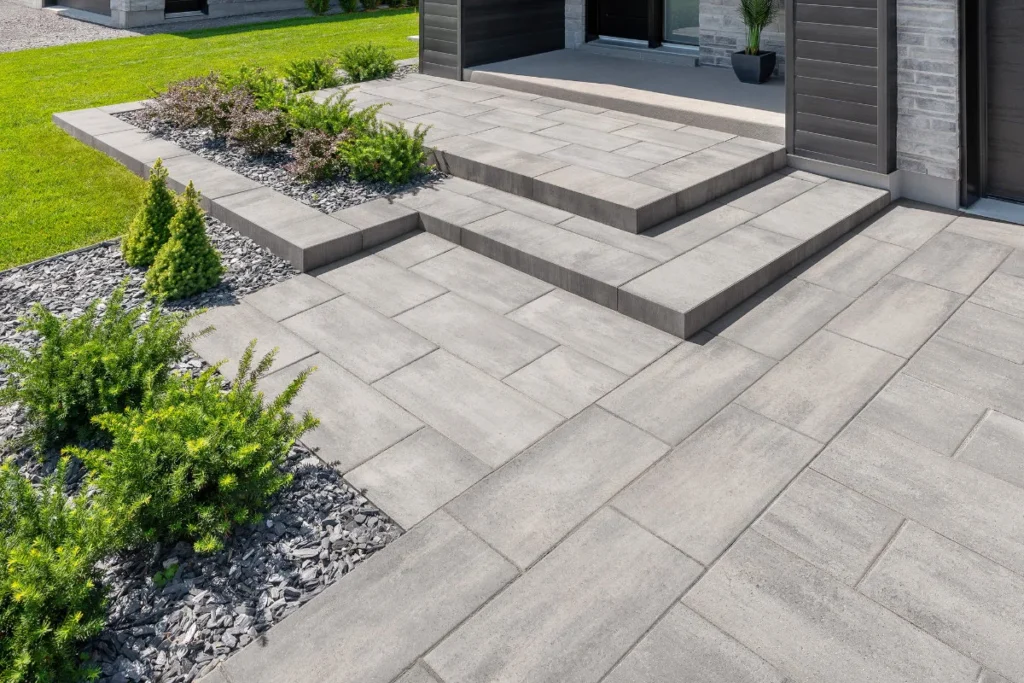
Transforming Spaces with Innovative Concrete Landscapes Concretef have redefined the perception of urban and residential space in modern architecture and design. Concrete has been a key element in landscape design for decades because of its versatility, durability and aesthetic appeal. Concrete’s Evolution Concrete was traditionally used for foundations, footpaths and driveways. Concrete and landscapes are a result of advances in materials and design techniques. They seamlessly combine nature and structure. Architects and landscape designers use concrete for patios and garden paths. They also use it to create decorative elements and water features. Benefits of concrete in landscape design Durability and Longevity Concrete’s strength and resilience make it a great choice for outdoor areas that are subjected to varying weather conditions as well as heavy foot traffic. The Aesthetic Appeal of Versatility Concreters are available in a variety of finishes, including stamped, stained or polished concrete, as well as exposed aggregate. They can be tailored to suit any style, from modern minimalism to rustic charm. Low Maintenance Concrete is a more cost-effective option for than traditional materials such as timber or stone. The Sustainability of the Economy. Permeable concrete is one of the eco-friendly solutions available for modern concrete. It helps to manage stormwater runoff and reduces environmental impact. Innovative Concrete Applications in Landscapes Outdoor Living Spaces: Concrete patios, seating areas and other outdoor living spaces are a stylish and seamless extension of your indoor living space. Walkways and Pathways: Concrete pathways with decorative designs enhance access and provide structure to outdoor spaces. Retaining walls & Borders: These elements prevent erosion and add visual depth to landscapes. Water Features: Concrete Fountains, Ponds, and Decorative Basins Create serene focal points in outdoor settings. Conclusion Concrete landscapes are evolving to meet the growing demand for outdoor spaces that are both sustainable and beautiful. They offer innovative and durable solutions. Concrete can be used to create a beautiful and functional landscape, whether you are designing a garden for your home, a plaza or a public park. FAQs Is concrete an environmentally friendly material? Modern concrete solutions can include environmentally friendly options, such as permeable cement, which reduces the environmental impact and helps to manage stormwater runoff.   How can I make a concrete landscape more appealing? Use decorative elements such as planters and lighting to enhance the aesthetics. Do concrete landscapes require a lot of maintenance? Concrete is low maintenance and only requires cleaning and sealing on occasion to keep its durability and appearance. Can concrete be used to create small residential landscaping? Absolutely! Concrete is versatile and can be tailored to fit any space, from small garden paths to large patios. What are some creative ideas for using  concrete in my landscape? Concrete can be used to create unique features such as fire pits, outdoor seating, vertical gardens, and sculptural elements and to enhance the character of your outdoor space. Modern concrete solutions can include environmentally friendly options, such as permeable cement, which reduces the environmental impact and helps to manage stormwater runoff.   Use decorative elements such as planters and lighting to enhance the aesthetics. Concrete is low maintenance and only requires cleaning and sealing on occasion to keep its durability and appearance. Absolutely! Concrete is versatile and can be tailored to fit any space, from small garden paths to large patios. Concrete can be used to create unique features such as fire pits, outdoor seating, vertical gardens, and sculptural elements and to enhance the character of your outdoor space.

Exposed Aggregate
Concrete Landscaping

Exposed Aggregate: A Timeless Option for High Impact Design

Exposed Aggregate: A Timeless Option for High Impact Design The use of exposed aggregate can enhance the beauty and appeal of any surface. This concrete finish shows the natural beauty and texture of the aggregates, such as stones, shells or pebbles that are embedded in the concrete mix. Exposed aggregate is a low maintenance, eye-catching solution for driveways, patios, and garden paths. Why choose exposed aggregate? Durability: Exposed aggregates are highly durable and make a good choice for outdoor areas. It is resistant to harsh weather conditions and heavy foot traffic. The durability of this product makes it an excellent investment for any property. The exposed aggregate has a natural and organic look with its unique texture. You can choose from a wide range of colors and textures to create your custom design. Slip Resistance: The exposed aggregate has a rough texture that creates a non-slip surface. This makes it perfect for areas with wet conditions, such as pools, driveways and walkways. This safety feature can be a great benefit for areas with high traffic. Low Maintenance: Exposed aggregate requires minimal maintenance. Easy to clean, it is also resistant to stains. This makes it a great choice for homeowners. Versatility – Exposed aggregate is versatile and can be used for a variety of purposes, including driveways, patios, footpaths and swimming pool decks. The adaptability of exposed aggregate makes it an ideal choice for both commercial and residential spaces. How is exposed aggregate made? Concrete is mixed with pebbles or stones to make exposed aggregate. The top layer of concrete is removed after pouring to reveal decorative aggregate. You can achieve this using a number of different methods, such as surface retarders or abrasive techniques. This creates a surface with a striking appearance. Benefits of Exposed Aggregate Enhance Curb Appeal: Custom textures and finishes are available for exposed aggregate, adding a touch of elegance and sophistication to any property. This is a great way for you to increase the value of your business or home. Exposed aggregate is eco-friendly because it uses local materials. It is, therefore, a more eco-friendly alternative to other paving options. Temperature Control: In hot climates, the aggregate surface can help keep the area cool. This is particularly useful for patios and driveways, where the heat can be unbearable. Longevity. Exposed aggregate is not easily cracked, and the surface of exposed aggregate tends to retain its appearance after many years. The aggregate mix is tailored to meet different strength requirements for a durable finish. How to maintain exposed aggregate You can maintain exposed aggregate with minimal effort. Regular Cleaning: Sweep the surface and rinse it regularly to remove dirt. For stubborn stains, use a mild detergent solution. Sealing (Optional). While it is not required, sealing exposed aggregates every few years will help to preserve their color and protect them from staining. Repairs: It’s vital to repair any cracks and chips as soon as possible to prevent further damage. Professional services are available to restore the appearance and functionality of your surface. FAQs What is the price of exposed aggregates?  The cost of exposed agglomerates can vary depending on your location, the size of the project and the type of aggregates. It may cost more on average than standard concrete, but it will last longer and be more durable. Can exposed aggregate be used as a driveway?  Exposed aggregate is a great choice for driveways. The surface is slip-resistant and can withstand heavy traffic. Can exposed aggregate be used in cold climates? Exposed aggregate is suitable for cold climates. It is resistant to freezing/thawing cycles when properly sealed and maintained. This makes it an excellent choice for harsh winter climates. How long can exposed aggregate be used? If properly maintained, exposed aggregate will last for many decades. It is a durable option that resists cracking, fading and staining Can exposed aggregate be customized for my style? Absolutely! Exposed aggregate is available in many colors, patterns, and textures. Choose from a variety of aggregates, such as recycled materials, natural stones or colored pebbles, to create your unique look. The cost of exposed agglomerates can vary depending on your location, the size of the project and the type of aggregates. It may cost more on average than standard concrete, but it will last longer and be more durable.  Exposed aggregate is a great choice for driveways. The surface is slip-resistant and can withstand heavy traffic. Exposed aggregate is suitable for cold climates. It is resistant to freezing/thawing cycles when properly sealed and maintained. This makes it an excellent choice for harsh winter climates. If properly maintained, exposed aggregate will last for many decades. It is a durable option that resists cracking, fading and staining Absolutely! Exposed aggregate is available in many colors, patterns, and textures. Choose from a variety of aggregates, such as recycled materials, natural stones or colored pebbles, to create your unique look.

Scroll to Top