Author name: Ezysoft Solutions

Low-Maintenance, High-Impact: Transform Your Outdoor Space with Artificial Turf
Artificial Grass

Low-Maintenance, High-Impact: Transform Your Outdoor Space with Artificial Turf

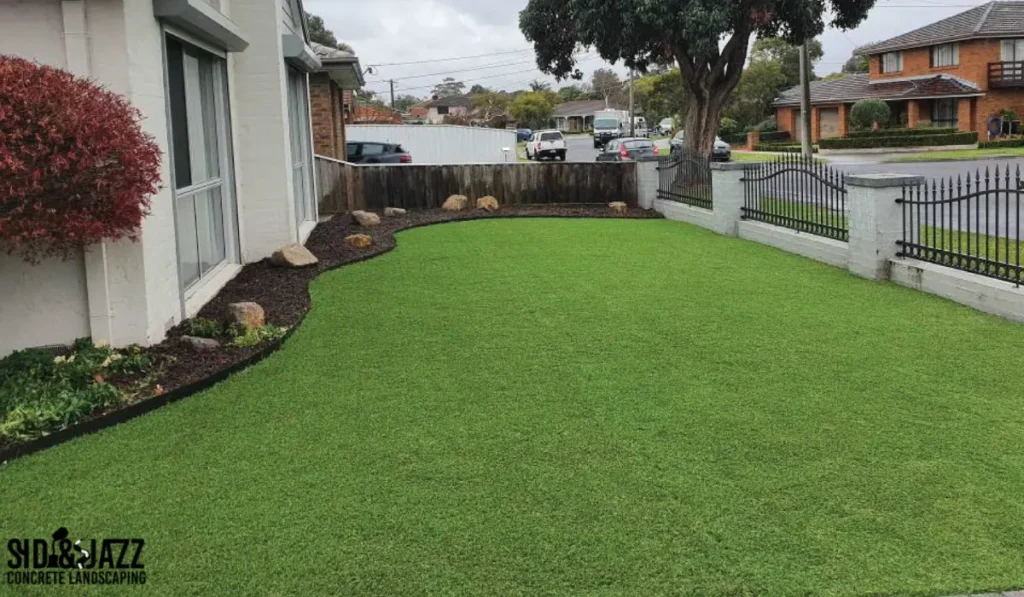
Low-Maintenance, High-Impact: Transform Your Outdoor Space with Artificial Turf In an era where homeowners seek both beauty and convenience in their landscaping, artificial turf has emerged as a game-changer across Australia. From Sydney to Melbourne and beyond, more property owners are turning to synthetic grass for a lush, low-maintenance solution that looks great all year round. At Sid and Jazz Concreters, we specialise in transforming outdoor spaces with high-quality artificial grass that blends visual appeal with practical benefits.If you’re looking to ditch the mower, reduce your water usage, and still enjoy a vibrant green lawn, artificial turf might just be the smart landscaping upgrade your home needs. Why Artificial Turf is Ideal for Australian Homes Australia’s varied climate—from scorching summers to periods of drought—makes maintaining a traditional natural lawn a time-consuming and costly task. Artificial turf offers a durable, low-maintenance alternative that holds up beautifully under tough weather conditions. Here’s why it’s growing in popularity: Low Maintenance One of the biggest draws of artificial turf is its minimal upkeep. Say goodbye to mowing, fertilising, watering, and weeding. Once installed, your lawn stays consistently green without the need for constant attention, freeing up your weekends for more important things. Water Efficient With increasing pressure on water conservation across Australia, synthetic turf presents an environmentally conscious choice. It requires no regular watering, helping you cut down on utility bills and support sustainable living practices. Durability & Longevity High-quality artificial grass, like the products we install at Sid and Jazz, is built to last. UV-resistant materials mean your lawn won’t fade under the Australian sun, and it can withstand heavy foot traffic, pets, and playtime without getting patchy or muddy. Year-Round Green Appeal Unlike natural grass, which can go dormant, dry out, or get patchy depending on the season, artificial turf maintains its colour and texture all year round. Your outdoor areas will look neat and fresh 365 days a year—no matter the weather. Transforming Outdoor Spaces with Artificial Turf Artificial turf is not just for front yards. It’s a versatile solution that can enhance multiple areas of your property, creating cohesive, functional, and attractive outdoor zones. Backyards Perfect for family spaces, kids’ play areas, or outdoor entertaining zones, synthetic grass provides a soft, safe surface for everyday living. Front Lawns Create stunning kerb appeal with an evergreen front lawn that looks freshly manicured every day of the year. Pet-Friendly Spaces Artificial turf is safe for pets and easy to clean, making it an ideal surface for dog runs or pet play zones. Play Areas Child-safe and non-toxic, artificial grass provides a cushioned, slip-resistant surface that’s perfect for play equipment or open spaces where kids can run free. Pool Surrounds Turf around the pool provides a non-slip, mud-free zone that stays cool underfoot and adds to your poolside oasis. Our Artificial Turf Installation Process At Sid and Jazz Concreters, we follow a thorough and professional installation process to ensure long-lasting results. Here’s how we bring your vision to life: . Free Consultation & Design Planning We begin with a detailed discussion about your needs and preferences, followed by a site inspection to assess layout, drainage, and any preparation work. . Custom Turf Selection Choose from a range of premium artificial grass types that suit your aesthetic and functional needs—whether soft underfoot, extra durable, or ultra-realistic in appearance. . Site Preparation & Groundwork Our team prepares the base with proper excavation, compacted crushed rock, and a weed barrier to ensure longevity and performance. . Professional Turf Installation We install your turf with expert precision, using secure joining and trimming techniques for a flawless, natural look. . Final Grooming & Clean-Up The surface is brushed and settled to ensure fibres stand upright and appear natural. We tidy the space so it’s ready for immediate use. Why Choose Sid and Jazz Concreters? With years of experience delivering top-tier landscaping services across Melbourne and Victoria, Sid and Jazz Concreters has earned a reputation for reliability, craftsmanship, and friendly service. Here’s what sets us apart: High-Quality, Australian-Grade Artificial Turf Custom Landscaping Solutions Pet and Child-Safe Turf Affordable Pricing with Transparent Quotes Professional Installation and Aftercare Advice 100% Customer Satisfaction GuaranteeWhether you’re revamping your front yard or installing synthetic grass for a full backyard makeover, we ensure the results are nothing short of impressive. Cost Considerations: Is Artificial Grass Worth It? While the upfront cost of artificial grass installation is higher than sowing natural grass, the long-term savings on water bills, lawn care products, equipment, and maintenance make it a cost-effective solution over time.Artificial turf also adds value to your property by enhancing kerb appeal and reducing ongoing upkeep—a selling point for many modern Australian buyers. Tips for Maintaining Your Artificial Lawn Although synthetic turf is low-maintenance, a little care goes a long way in keeping it looking brand-new. Here are some simple tips:Brush Occasionally – Use a broom or turf rake to keep blades upright and debris-free.Rinse When Needed – Clean off pet waste or spills with water and mild soap.Remove Leaves & Debris – Use a blower or rake to prevent build-up.Re-seal Edges if Required – Over time, touch-ups may be needed to keep the turf secure. FAQs Is artificial turf safe for children and pets? Yes! Our artificial grass products are non-toxic, allergen-free, and soft underfoot—ideal for play and pet zones. How long does artificial grass last? With professional installation and minimal maintenance, your artificial lawn can last 15 to 20 years or more. Will artificial grass overheat in the sun?   High-quality turf remains cooler than many hard surfaces. We also offer heat-resistant options suitable for Aussie climates. Can weeds grow through artificial turf? Our installation includes a robust weed barrier to prevent weed growth, ensuring a clean and tidy lawn year-round. Do you offer a warranty on turf installation?   Absolutely. We offer warranties on both the turf product and our installation, giving you peace of mind. Yes! Our artificial grass products are non-toxic, allergen-free, and soft underfoot—ideal for play and pet zones.

The Importance of Paving Services in Australia: Sustainable and Beautiful Solutions for Your Outdoor Spaces
Paving

The Importance of Paving Services in Australia: Sustainable and Beautiful Solutions for Your Outdoor Spaces

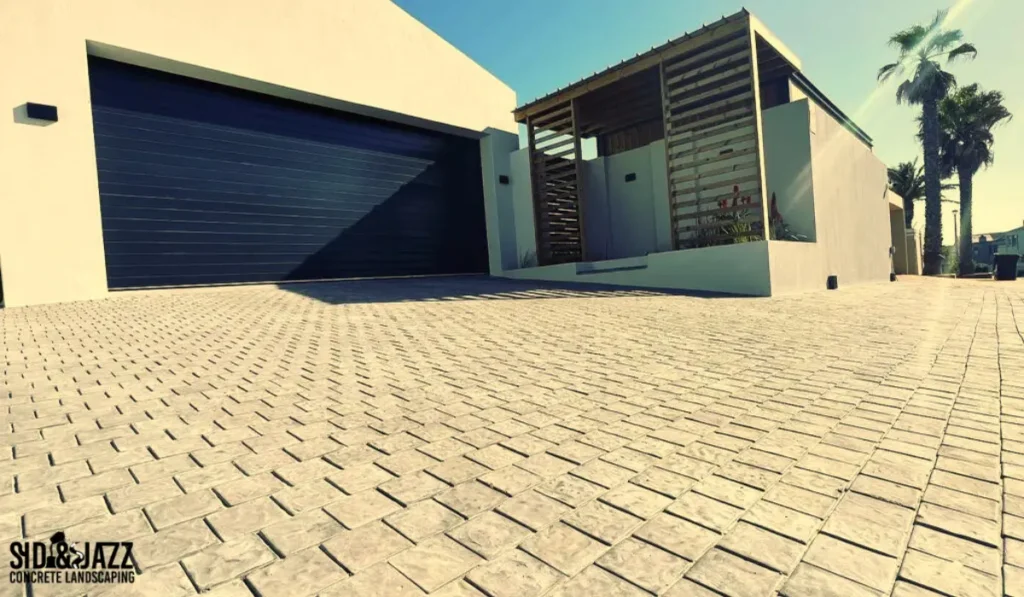
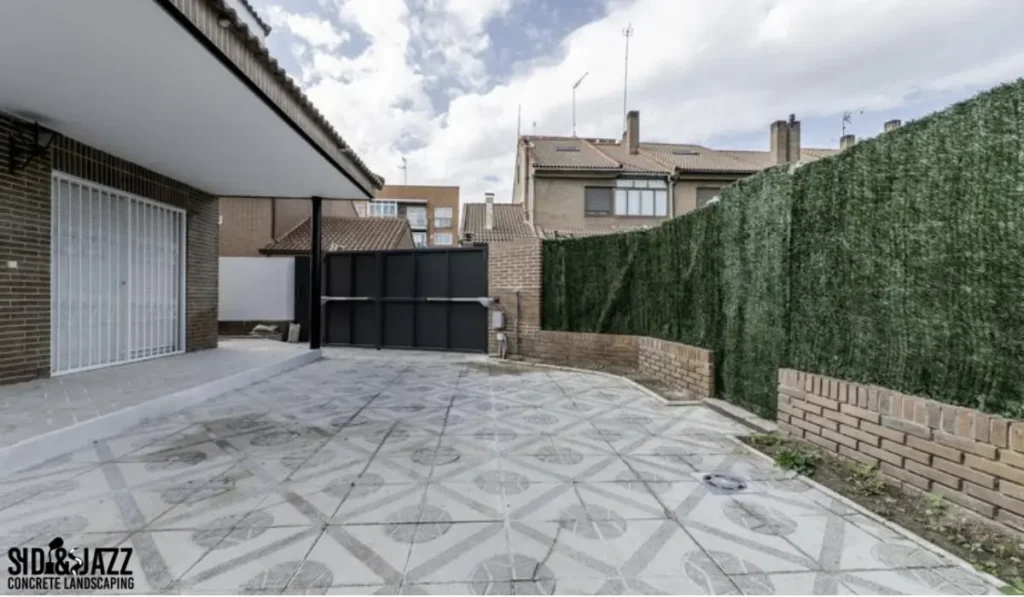
The Importance of Paving Services in Australia: Sustainable and Beautiful Solutions for Your Outdoor Spaces When it comes to enhancing your home’s exterior, one of the most impactful investments you can make is paving. Whether you’re upgrading your driveway, creating a stylish patio, or designing a garden path, paving services are essential to transforming your outdoor spaces. In Australia, with its unique climate conditions and increasing demand for sustainable solutions, high-quality paving can significantly improve both the aesthetic appeal and functionality of your property. At Sid and Jazz Concreters, we offer expert paving services tailored to meet your needs, ensuring long-lasting, sustainable, and beautiful results. Why Paving is Essential for Outdoor Spaces in Australia The diverse Australian climate – from hot summers to cold winters, along with periods of drought and rain – makes choosing the right paving material crucial. Poorly installed paving or unsuitable materials can lead to costly repairs and maintenance down the track. By opting for professional paving services, you ensure your investment stands the test of time. Enhance Aesthetic Appeal and Curb Appeal One of the primary reasons homeowners choose paving services is to enhance the curb appeal of their property. Whether you’re designing a driveway, patio, or walkway, high-quality paving can instantly elevate the look of your home. With a wide range of paving options, including coloured concrete, exposed aggregate, and brick paving, you can select the perfect design to complement your property’s architecture and landscaping style.Professionally paved driveways, paths, and patios give your home a polished and well-maintained appearance, making it more inviting to guests and increasing its value on the market. Durability and Long-Lasting Quality Paving not only enhances the aesthetic of your outdoor spaces, but it also adds durability. For driveways and walkways in particular, concrete paving is a popular option due to its strength and long-lasting durability. With the right sealing and proper maintenance, concrete driveways can last for decades, making them an excellent investment for your home.Similarly, other paving materials like permeable pavers or brick paving are designed to withstand high traffic, harsh weather, and UV exposure, ensuring your paved areas remain functional and attractive for years. Sustainability and Eco-Friendly Solutions In today’s world, sustainability is more important than ever. When planning for your outdoor spaces, it’s essential to consider the environmental impact of your paving choices. Opting for permeable paving solutions is one of the best ways to contribute to a more sustainable future. Permeable paving allows rainwater to filter through the surface, reducing runoff and helping to prevent flooding in your garden or driveway. These solutions are not only better for the environment, but they also reduce the pressure on your local drainage systems. At Sid and Jazz Concreters, we offer eco-friendly paving options that are both practical and sustainable, allowing you to achieve a beautiful, functional, and environmentally responsible outdoor space. Functional Outdoor Spaces for Australian Homes The outdoor areas of your home serve various purposes, and paving can help you make the most of these spaces. For example, a paved patio is ideal for entertaining guests, providing a comfortable and durable surface for outdoor furniture and activities. Similarly, paved walkways make navigating your garden or front yard much easier and safer, even after heavy rainfall or during the hot summer months.By choosing high-quality paving materials, you’re creating an elevated outdoor experience that’s both functional and stylish. Types of Paving Materials for Your Outdoor Areas At Sid and Jazz Concreters, we offer a wide variety of paving options to suit your specific needs, style, and budget. Below are some of the most popular paving materials we work with: Concrete Paving : Known for its durability and affordability, concrete paving is a great choice for both driveways and patios. Concrete can be customised with different textures and finishes, such as coloured concrete, stamped concrete, and exposed aggregate. This versatility allows you to create unique, personalised outdoor spaces. Brick Paving : With its classic, timeless look, brick paving is perfect for walkways and courtyards. Brick pavers are also easy to repair if they become damaged, making them a practical choice for areas with heavy foot traffic. Permeable Paving : An environmentally friendly solution, permeable paving allows water to pass through the surface and be absorbed into the ground. This is ideal for areas with drainage issues or where stormwater management is a concern. Cobblestone Paving : For a more traditional or rustic aesthetic, cobblestone paving is a fantastic option. It adds character and charm to your outdoor spaces while providing a strong, durable surface. The Benefits of Professional Paving Services While DIY paving may seem like an affordable option, professional paving services provide numerous benefits:   Expert Installation : At Sid and Jazz Concreters, our team of experts ensures that your paving is installed to the highest standards, guaranteeing quality and long-lasting results. Customised Designs : We offer a wide range of designs, colours, and finishes to choose from, ensuring your paved area complements your home and enhances your landscape. Minimal Maintenance : Professional paving installation is designed for low maintenance. With the right care, your paved surfaces will retain their beauty and functionality for years. Enhanced Property Value : Well-executed paving can increase the curb appeal of your home, making it more attractive to potential buyers and increasing its market value. Conclusion: Transform Your Outdoor Spaces with Professional Paving Services Investing in professional paving services for your outdoor areas is one of the most impactful decisions you can make to enhance your property. Whether you choose concrete paving, brick paving, or permeable paving, Sid and Jazz Concreters offers sustainable and beautiful solutions tailored to your needs. We take pride in offering expert advice, premium materials, and top-quality paving installations to ensure your outdoor spaces are both functional and aesthetically pleasing. FAQs What types of paving are best for Australian climates? Concrete, brick, and permeable paving are great options for Australian climates, offering durability and resistance to weather elements. How long do concrete driveways last? A properly installed concrete driveway

Enhancing Curb Appeal with Coloured Concrete Driveways
Coloured Concrete

Enhancing Curb Appeal with Coloured Concrete Driveways

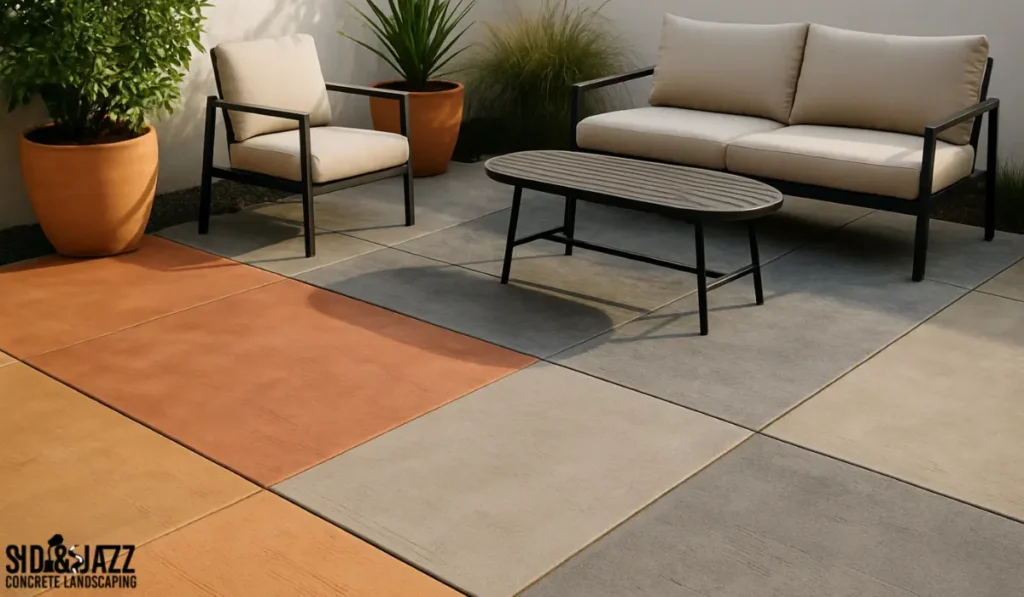
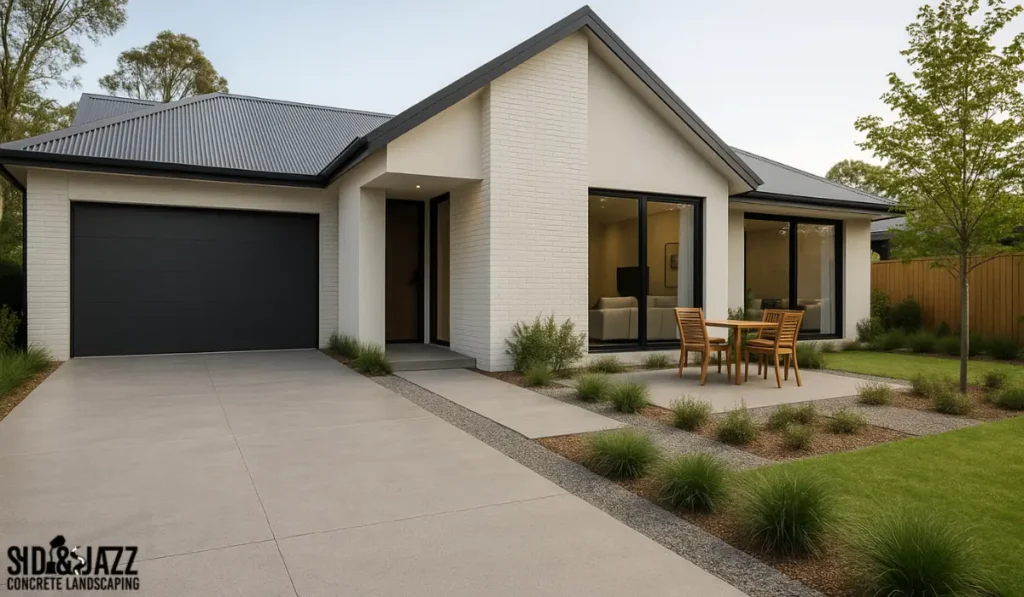
Enhancing Curb Appeal with Coloured Concrete Driveways In today’s competitive property market, first impressions truly count. One of the most effective ways to elevate your home’s exterior is through a coloured concrete driveway a stylish, durable solution that combines aesthetic value with long-lasting functionality. At Sid and Jazz Concreters, we specialise in delivering high-quality concrete driveway solutions that boost kerb appeal across Melbourne and surrounding areas. What is Coloured Concrete? Coloured concrete is a standard concrete mix infused with oxide pigments to achieve a broad range of colours and tones. This versatile material is ideal for homeowners seeking something beyond the traditional grey surface. Whether you want a natural stone look, a warm earthy tone, or a sleek contemporary finish, coloured concrete paving can be tailored to suit your vision and complement your home’s architecture. At Sid and Jazz, we offer a wide selection of colours and finishes—smooth, exposed aggregate, or textured—to help you create a driveway that’s uniquely yours. Why Coloured Concrete is a Smart Investment A well-constructed coloured concrete driveway offers more than just good looks. It’s a practical investment that adds long-term value to your home. Here’s why Australian homeowners are choosing coloured concrete: Stylish Versatility From modern minimalist homes to traditional designs, coloured concrete adapts beautifully to any property style. With so many shades and finishes to choose from, we can customise your driveway to perfectly suit your aesthetic preferences. Durability in Australian Conditions Our coloured concrete is built tough—engineered to withstand harsh weather, UV exposure, and heavy foot or vehicle traffic. Plus, our premium sealing ensures the colour stays vibrant and protected for years to come. Low Maintenance Unlike pavers or gravel, coloured concrete requires very little upkeep. Occasional cleaning and resealing every few years are usually all that’s needed to maintain its fresh appearance. Increased Property Value A professionally installed concrete driveway enhances your home’s kerb appeal, making it more attractive to potential buyers—and ultimately increasing its market value. Our Process: From Concept to Completion At Sid and Jazz Concreters, we make the concreting process seamless from start to finish: Free Consultation & Site Inspection  We’ll discuss your design ideas, measure the site, and offer honest, expert advice. Custom Design & Colour Selection Choose from a variety of colours, textures, and patterns to suit your property. Site Preparation & Excavation We ensure a strong foundation with proper grading and drainage. Professional Concrete Installation Our skilled team installs your coloured concrete with precision and care. Sealing & Finishing Touches A protective sealant is applied for extra durability and colour retention. Ideal Applications for Coloured Concrete While driveways are the most common use, coloured concrete is also excellent for: Patios and outdoor entertaining areas Walkways and garden paths Pool surrounds Alfresco and courtyard areas Garage entrances and front porches By using the same concrete style throughout, you can create a cohesive, elegant landscape design that flows beautifully across your property. Why Choose Sid and Jazz Concreters? We’re proud to be a trusted name in Melbourne’s concrete  industry. Our reputation is built on high-quality craftsmanship, transparent pricing, and a commitment to customer satisfaction. When you choose us, you benefit from: Professional and reliable service Custom solutions tailored to your home Durable materials and flawless finishes Transparent quotes and competitive pricing Satisfaction guarantee on all concreting work FAQs How long does a coloured concrete driveway last? With proper installation and maintenance, a coloured concrete driveway can last 25–30 years or more. Our sealing process further protects against wear and fading. Will the colour fade over time? All concrete may experience slight fading, but we use UV-resistant pigments and high-quality sealants to keep your driveway looking vibrant for years. Can I choose any colour I like? Yes. We offer a wide range of colour options and can help you choose a shade that complements your home’s exterior and landscape. Is coloured concrete more expensive than plain concrete? Coloured concrete costs slightly more upfront, but the aesthetic benefits and added property value make it a worthwhile investment. How long does installation take? Most residential driveways are completed within 3–5 days, depending on site conditions and weather. We’ll provide a clear timeline during your consultation. With proper installation and maintenance, a coloured concrete driveway can last 25–30 years or more. Our sealing process further protects against wear and fading. All concrete may experience slight fading, but we use UV-resistant pigments and high-quality sealants to keep your driveway looking vibrant for years. Yes. We offer a wide range of colour options and can help you choose a shade that complements your home’s exterior and landscape. Coloured concrete costs slightly more upfront, but the aesthetic benefits and added property value make it a worthwhile investment. Most residential driveways are completed within 3–5 days, depending on site conditions and weather. We’ll provide a clear timeline during your consultation.

The Benefits of Honed Concrete for Your Home & Business
Honed Concrete

The Benefits of Honed Concrete for Your Home & Business

The Benefits of Honed Concrete for Your Home & Business Honed concrete is an increasingly popular flooring and outdoor surface option for both residential and commercial properties. Known for its sleek, stylish appearance and durability, honed concrete offers numerous advantages that make it an excellent investment. Here are some of the key benefits: Aesthetic Appeal Honed concrete provides a modern, sophisticated look that enhances the visual appeal of any space. Its smooth and polished finish can be customized in a range of colors and textures to complement your home or business décor. Durability & Longevity One of the main reasons property owners choose honed concrete is its incredible durability. Designed to withstand heavy foot traffic, harsh weather conditions, and daily wear and tear, honed concrete remains in excellent condition for many years with minimal maintenance. Low Maintenance Requirements Unlike other flooring and outdoor surface options, honed concrete is easy to maintain. Regular sweeping and occasional mopping are all it takes to keep the surface looking pristine. Unlike wooden or tiled surfaces, honed concrete does not require sealing or frequent repairs Slip-Resistant Surface With a slightly textured finish, honed concrete offers enhanced slip resistance, making it a safe option for outdoor areas such as patios, pathways, and pool surrounds. This is particularly beneficial for businesses and homeowners concerned about safety.  Cost-Effectiveness Compared to other premium flooring and paving options, honed concrete is a cost-effective choice. It provides a high-end look at a fraction of the price while requiring minimal upkeep, saving money in the long run.  Weather Resistance Honed concrete is highly resistant to various weather conditions, including heat, rain, and UV exposure. This makes it an excellent choice for outdoor areas that need to endure changing climates without fading or cracking. Versatile Applications Honed concrete is suitable for both indoor and outdoor use, making it a versatile choice for different applications. It can be used in living spaces, garages, driveways, retail stores, office spaces, and more, offering a seamless and elegant look throughout your property. Eco-Friendly Benefits As a sustainable flooring option, honed concrete minimizes waste by using existing concrete slabs rather than new materials. Additionally, it contributes to energy efficiency by reflecting natural light, reducing the need for artificial lighting during the day. Conclusion Honed concrete is a smart investment for any homeowner or business looking for a stylish, durable, and low-maintenance flooring solution. Its versatility, cost-effectiveness, and aesthetic appeal make it a standout choice for both interior and exterior spaces.If you’re considering honed concrete for your property, Sid and Jazz Concreters offers expert services to help you achieve the perfect finish. Contact us today to learn more! FAQs How does honed concrete differ from polished concrete? Honed concrete has a matte or satin finish and is typically used for outdoor applications, while polished concrete has a high-gloss finish and is mainly used indoors. Is honed concrete suitable for driveways? Yes, honed concrete is a great option for driveways due to its durability, slip resistance, and ability to withstand heavy vehicles. How often does honed concrete need maintenance? Honed concrete requires minimal maintenance—regular sweeping and occasional mopping are usually sufficient to keep it in excellent condition. Can I customize the color and texture of honed concrete? Yes, honed concrete can be customized with different colors and aggregate exposure levels to match your design preferences. Is honed concrete expensive? Honed concrete is a cost-effective option compared to other premium surfaces. While the initial installation cost varies, its durability and low maintenance make it a long-term investment. Honed concrete has a matte or satin finish and is typically used for outdoor applications, while polished concrete has a high-gloss finish and is mainly used indoors. Yes, honed concrete is a great option for driveways due to its durability, slip resistance, and ability to withstand heavy vehicles. Honed concrete requires minimal maintenance—regular sweeping and occasional mopping are usually sufficient to keep it in excellent condition. Yes, honed concrete can be customized with different colors and aggregate exposure levels to match your design preferences. Honed concrete is a cost-effective option compared to other premium surfaces. While the initial installation cost varies, its durability and low maintenance make it a long-term investment.

Shed Slabs: The Foundation of a Strong & Durable Shed
Shed Slabs

Shed Slabs: The Foundation of a Strong & Durable Shed

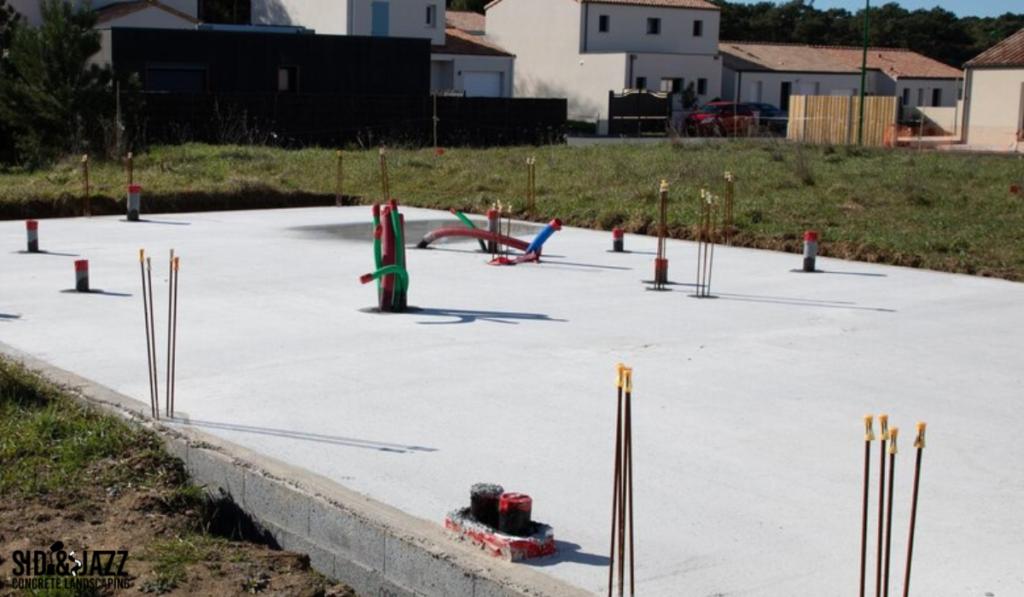
Shed Slabs: The Foundation of a Strong & Durable Shed A solid and stable foundation is crucial for any shed, and shed slabs are the best solution for ensuring durability and longevity. Whether you’re building a small garden shed or a large storage unit, a well-constructed concrete slab provides strength, stability, and protection against environmental factors. In this blog, we will explore the benefits, construction process, and essential factors to consider when installing shed slabs. Why Choose Concrete Shed Slabs? Exceptional Strength Concrete shed slabs offer a strong and stable foundation that can support heavy loads without cracking or shifting over time. This ensures the longevity of your shed and prevents structural damage.  Durability & Weather Resistance  Concrete is highly resistant to weather conditions, including rain, heat, and frost. Unlike wooden or gravel bases, concrete slabs do not rot, shift, or deteriorate over time.  Pest and Moisture Protection   A concrete slab prevents moisture from seeping into the shed, reducing the risk of mold, mildew, and wood rot. It also acts as a barrier against pests like termites and rodents.  Low Maintenance   Once installed, a concrete shed slab requires minimal upkeep. Regular cleaning and occasional sealing help maintain its strength and appearance for years to come. How to Construct a Shed Slab: Step-by-Step Guide  Planning and Preparation   Choose a suitable location with proper drainage. Measure the dimensions of your shed to determine the slab size. Mark the area and clear any debris or vegetation. Excavation and Base Preparation Dig the ground to a depth of approximately 100mm–150mm. Level the surface and compact the soil for a firm base. Lay a layer of crushed gravel or road base for added stability.   Formwork Installation Construct a timber or steel formwork around the perimeter of the slab. Ensure it is level and secured properly to prevent movement. Reinforcement Placement Install a steel mesh or reinforcement bars (rebar) to increase strength. Elevate the mesh slightly using plastic or concrete spacers. Pouring the Concrete Mix and pour the concrete evenly within the formwork. Use a screed board to level the surface and remove excess concrete.  Finishing and Curing Smooth the surface with a trowel or float for a clean finish. Allow the slab to cure for at least 7 days before placing the shed. Keep the slab moist during curing to prevent cracks. Key Considerations for a Strong Shed Slab Thickness: A standard shed slab is typically 100mm thick, but for heavy-duty sheds, a 150mm slab with reinforcement is recommended. Reinforcement: Steel mesh or rebar enhances the load-bearing capacity and prevents cracking. Drainage: Proper slope and drainage prevent water buildup around the shed. Sealing: Applying a concrete sealer protects against moisture and stains. Conclusion A properly constructed shed slab ensures a strong, durable, and long-lasting foundation for your shed. Investing in a high-quality concrete slab minimizes future repairs, enhances structural stability, and provides excellent resistance to environmental elements. For expert shed slab installation, contact Sid and Jazz Concreters today and get a sturdy foundation for your shed! FAQs How thick should a shed slab be? A standard shed slab should be at least 100mm thick, but for heavy-duty applications, a 150mm slab with reinforcement is recommended. Do I need reinforcement for a shed slab? Reinforcement, such as steel mesh or rebar, is recommended for added strength and to prevent cracking, especially for larger sheds or heavy loads. How long does a shed slab take to cure? Concrete slabs typically take about 7 days to cure before they can support a shed. However, full strength is achieved after 28 days. Can I build a shed directly on the ground instead of a slab?   While some sheds can be placed on gravel or treated wood foundations, a concrete slab provides the best stability, durability, and protection against moisture and pests. How do I maintain a shed slab? Regular cleaning, sealing, and ensuring proper drainage around the slab will help maintain its longevity and appearance over time. A standard shed slab should be at least 100mm thick, but for heavy-duty applications, a 150mm slab with reinforcement is recommended. Reinforcement, such as steel mesh or rebar, is recommended for added strength and to prevent cracking, especially for larger sheds or heavy loads. Concrete slabs typically take about 7 days to cure before they can support a shed. However, full strength is achieved after 28 days.   While some sheds can be placed on gravel or treated wood foundations, a concrete slab provides the best stability, durability, and protection against moisture and pests. Regular cleaning, sealing, and ensuring proper drainage around the slab will help maintain its longevity and appearance over time.

How to Choose the Perfect Exposed Aggregate Finish for Your Driveway & Patio
Exposed Aggregate

How to Choose the Perfect Exposed Aggregate Finish for Your Driveway & Patio

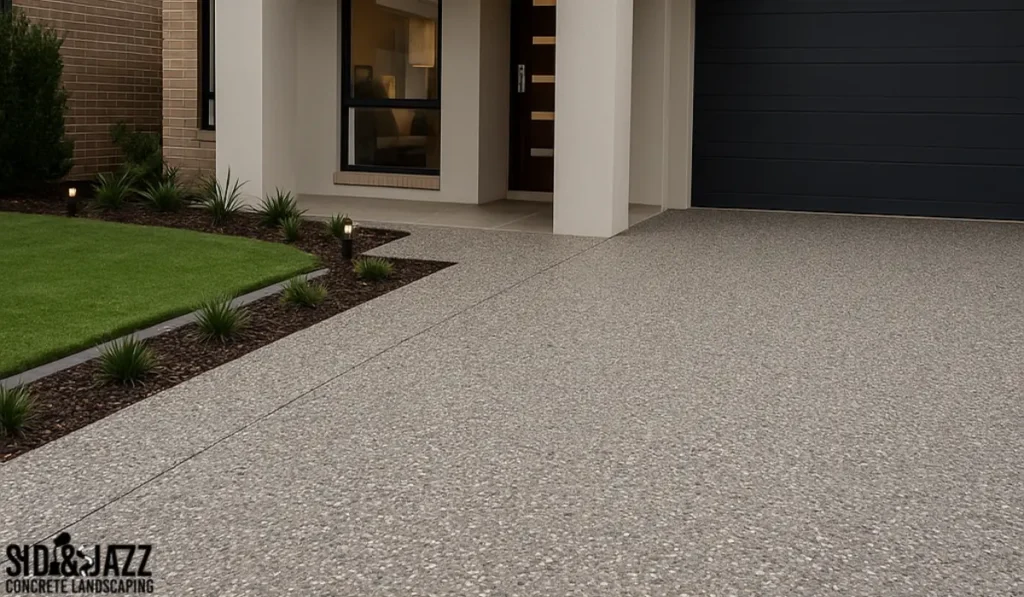
How to Choose the Perfect Exposed Aggregate Finish for Your Driveway & Patio Exposed aggregate concrete is a top choice for homeowners looking to enhance their driveways and patios with a stylish, durable, and slip-resistant surface. But with so many finishes and customisation options available, selecting the perfect exposed aggregate finish can be overwhelming. This guide will help you make the best decision by considering key factors such as design preferences, durability, climate conditions, and maintenance requirements. Understand What Exposed Aggregate Concrete Is Exposed aggregate concrete is a decorative finish that involves removing the top layer of cement paste to reveal the embedded stones, pebbles, or decorative aggregates underneath. This process enhances texture, aesthetics, and durability, making it ideal for high-traffic areas like driveways and patios. Consider the Aggregate Type & Colour The type and colour of aggregates play a major role in the final appearance of your surface. Here are some popular options: Natural Stone Aggregates: Granite, quartz, or river pebbles for a polished look. Glass Aggregates: Crushed glass can add a modern and eye-catching effect. Coloured Aggregates: Available in shades of brown, red, blue, and grey to match your home’s aesthetic. Choose the Right Exposure Method There are different ways to expose the aggregate, each creating a unique texture and finish: Standard Exposure: Surface is lightly washed to reveal the stones beneath. Seeded Aggregate: Additional decorative aggregates are spread over wet concrete for a customised look. Abrasive Blasting: Uses sandblasting to create a rougher, slip-resistant surface. Polished Finish: The surface is ground and polished for a sleek, high-end appearance. Think About Slip Resistance & Safety Driveways and patios need to be safe, especially in wet conditions. To improve slip resistance: Choose smaller, textured aggregates. Opt for a light sandblasting or brushed finish. Apply a non-slip sealer to maintain traction and durability. Match the Finish with Your Home’s Style The finish should complement your home’s architectural style and landscape. Consider: Modern Homes: Polished or glass-seeded finishes. Traditional Homes: Natural stone or earth-toned aggregates. Coastal Homes: Blue or white quartz for a beach-inspired look. Consider Climate & Maintenance Different finishes react differently to weather conditions.          For hot climates: Lighter aggregates reflect heat, keeping the surface cool.                For cold climates: Ensure proper sealing to prevent freeze-thaw damage.          Regular maintenance: Sweep and wash periodically, and reseal every 2-3 years to maintain the finish. Work with a Professional Installer To achieve the best results, hire an experienced contractor who specialises in exposed aggregate concrete. They can provide guidance on mix designs, finishes, and sealing options to enhance longevity. Why Choose Sid and Jazz Concreters? If you’re looking for top-quality exposed aggregate driveways, decorative concrete finishes, or durable concrete solutions, Sid and Jazz Concreters is your go-to service provider. With expertise in concrete resurfacing, patio installations, retaining walls, and custom concrete designs, they offer tailored solutions that match your style and budget. Whether you need a new driveway, a patio upgrade, or a complete outdoor transformation, their team ensures high-quality craftsmanship and lasting durability. Learn More About Concrete Sealing To maintain the beauty and longevity of your exposed aggregate surface, proper sealing is essential. Learn more about the best concrete sealers for exposed aggregate atConcrete Network, where you can find expert recommendations on sealers that enhance durability, colour, and slip resistance. Final Thoughts Choosing the perfect exposed aggregate finish for your driveway and patio involves balancing aesthetics, functionality, and durability. By selecting the right aggregate type, exposure method, and maintenance plan, you can achieve a stunning and long-lasting surface that enhances your property’s kerb appeal. Need expert advice? Contact Sid and Jazz Concreters today to explore the best options for your project, whether it’s exposed aggregate concrete, stamped concrete, or decorative landscaping solutions! FAQs What is exposed aggregate concrete?What is exposed aggregate concrete? Exposed aggregate concrete is a decorative surface created by removing the top layer of cement to reveal stones, pebbles, or decorative aggregates beneath, offering a textured and durable finish. What are the benefits of exposed aggregate for driveways and patios? It’s stylish, slip-resistant, highly durable, and offers many customisation options in terms of texture, aggregate type, and colour. How do I choose the right aggregate for my driveway or patio? Consider your home’s aesthetic, aggregate size, colour, and texture. Natural stone gives a classic look, while coloured or glass aggregates create a modern vibe. What are the different types of finishes for exposed aggregate concrete? Popular finish methods include standard exposure, seeded aggregate, abrasive blasting, and polished finishes, each offering a unique texture and visual appeal. Is exposed aggregate slippery when wet? Not necessarily. You can improve slip resistance by using smaller, textured aggregates, light sandblasting, or applying a non-slip concrete sealer. Exposed aggregate concrete is a decorative surface created by removing the top layer of cement to reveal stones, pebbles, or decorative aggregates beneath, offering a textured and durable finish. It’s stylish, slip-resistant, highly durable, and offers many customisation options in terms of texture, aggregate type, and colour. Consider your home’s aesthetic, aggregate size, colour, and texture. Natural stone gives a classic look, while coloured or glass aggregates create a modern vibe. Popular finish methods include standard exposure, seeded aggregate, abrasive blasting, and polished finishes, each offering a unique texture and visual appeal. Not necessarily. You can improve slip resistance by using smaller, textured aggregates, light sandblasting, or applying a non-slip concrete sealer.

Garden Beds: Enhancing Your Outdoor Space with Beautiful and Productive Planting Areas
Garden Beds

Garden Beds: Enhancing Your Outdoor Space with Beautiful and Productive Planting Areas

Garden Beds: Enhancing Your Outdoor Space with Beautiful and Productive Planting Areas Garden beds are an essential feature for any outdoor space, offering both aesthetic appeal and practical benefits. Whether you’re looking to grow flowers, herbs, or vegetables, a well-designed garden bed can maximize space, improve soil conditions, and provide an organized planting area. In this blog, we will explore the benefits of garden beds, different types, and how to create and maintain them for long-term success. Benefits of Garden Beds Better Soil Control Garden beds allow you to control soil quality by adding nutrient-rich soil, compost, and organic matter, leading to healthier plants and improved yields. Improved Drainage  Raised or elevated garden beds provide excellent drainage, preventing waterlogging and reducing the risk of root rot, especially in areas with heavy rainfall. Reduced Weed Growth A contained garden bed minimizes the spread of weeds, making it easier to manage and maintain your plants without constant weeding. Easier Access and Maintenance Raised beds make gardening more accessible, reducing the need to bend or kneel, which is particularly beneficial for elderly gardeners or those with mobility issues. Enhanced Aesthetic Appeal  Well-structured garden beds create a neat, organized, and visually appealing landscape, enhancing the beauty of your backyard or garden space. Types of Garden Beds Raised Garden Beds Constructed above ground using wood, metal, or stone, raised beds offer better soil control and drainage, making them ideal for vegetable and flower gardening. In-Ground Garden Beds These beds are dug directly into the soil, making them cost-effective and easy to establish, but they may require additional soil amendments for optimal plant growth. Container Garden Beds  Ideal for small spaces, containers allow gardening on patios, balconies, or areas with poor soil conditions. They are portable and easy to manage. Keyhole Garden Beds  Designed in a circular shape with a central composting area, keyhole beds maximize space and provide natural fertilization for plants. Vertical Garden Beds  A great option for urban gardening, vertical beds use trellises or wall-mounted planters to grow herbs, vegetables, and flowers in limited spaces. How to Build a Garden Bed: Step-by-Step Guide  Choosing the Location Select a spot with adequate sunlight (at least 6-8 hours daily). Ensure easy access to water sources. Consider protection from strong winds and pests. Preparing the Soil Remove weeds, grass, and debris from the area. Loosen the soil and add organic matter like compost or manure. Test the soil pH and adjust if necessary for plant-specific needs.  Constructing the Garden Bed Use wooden planks, bricks, or metal frames to build raised beds. Ensure proper dimensions (typically 4 feet wide for easy access). Secure the structure firmly to prevent soil erosion.  Adding Soil and Compost Fill the bed with a nutrient-rich soil mix, combining topsoil, compost, and organic matter. Level the soil and allow it to settle before planting. Planting Your Garden Bed Choose suitable plants based on the season and climate. Space plants appropriately to allow growth and air circulation. Water thoroughly after planting and apply mulch to retain moisture. Maintaining Your Garden Bed Watering: Keep the soil consistently moist but avoid overwatering. Fertilization: Add organic compost or fertilizers as needed. Pest Control: Use natural remedies like neem oil or companion planting. Pruning & Harvesting: Regularly trim and harvest plants to promote growth. Seasonal Care: Prepare beds for new planting seasons by replenishing soil nutrients.Creating a garden bed is an excellent way to enhance your outdoor space while enjoying the benefits of fresh produce and beautiful flowers. Whether you’re a beginner or an experienced gardener, a well-planned garden bed can bring long-term satisfaction and sustainability. For expert landscaping solutions, contact Sid and Jazz Concreters today! FAQs What is the best material for raised garden beds?  Wood (cedar or redwood), metal, and stone are popular choices due to their durability and resistance to decay. How deep should a garden bed be? A depth of 12-18 inches is ideal for most plants, but root vegetables may require deeper beds. How often should I water my garden bed?  It depends on the climate and plant type, but generally, 2-3 times per week is sufficient. Mulching helps retain moisture. Can I grow vegetables in a garden bed year-round? Yes, with seasonal planning and protection like row covers or greenhouses, you can grow vegetables throughout the year. What are the best plants for a beginner’s garden bed?  Lettuce, tomatoes, carrots, basil, and marigolds are easy-to-grow plants that thrive in garden beds.  Wood (cedar or redwood), metal, and stone are popular choices due to their durability and resistance to decay. A depth of 12-18 inches is ideal for most plants, but root vegetables may require deeper beds.  It depends on the climate and plant type, but generally, 2-3 times per week is sufficient. Mulching helps retain moisture. Yes, with seasonal planning and protection like row covers or greenhouses, you can grow vegetables throughout the year.  Lettuce, tomatoes, carrots, basil, and marigolds are easy-to-grow plants that thrive in garden beds.

Concrete Footings
Concrete Footings

Concrete Footings for Strong & Stable Foundations

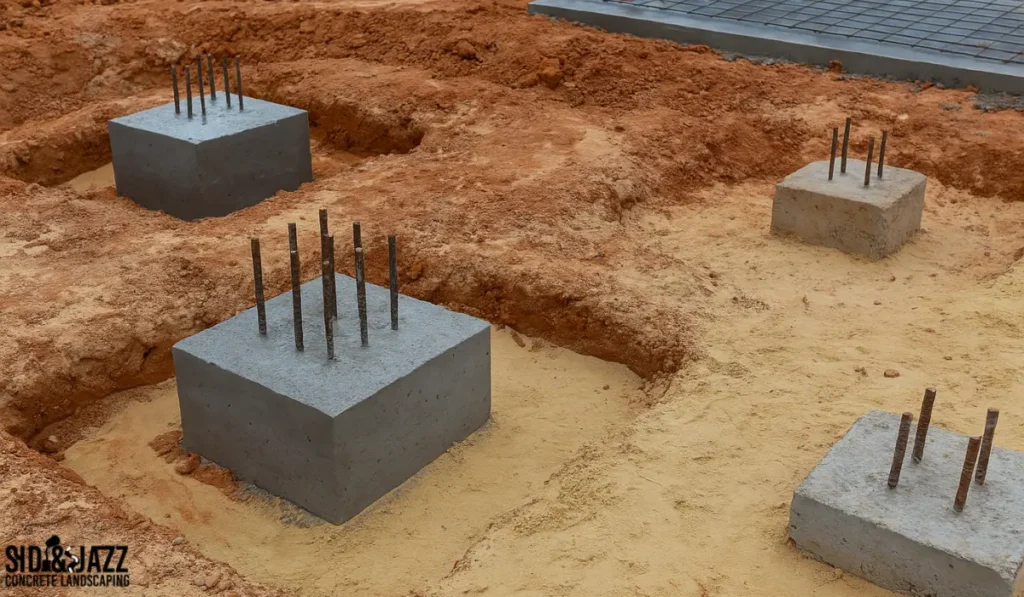
Concrete Footings: The Foundation for Stability and Strength Concrete footings are a crucial part of any construction project, providing the essential foundation that supports structures such as homes, buildings, and fences. Properly designed and installed concrete footings ensure the stability and longevity of a structure by distributing weight evenly across the ground. In this blog, we’ll explore the importance of concrete footings, the different types, how they’re installed, and answer some frequently asked questions to help you understand their vital role in construction. What Are Concrete Footings? Concrete footings are the base on which a structure is built. They are typically made of poured concrete, designed to support the weight of the structure and prevent settling or shifting. Footings spread the load of the building across a larger area of the soil, ensuring that the structure remains stable over time. Importance of Concrete Footings Provides Stability and Support Concrete footings prevent a building from settling unevenly, which could cause cracks and structural damage. They provide the foundation that helps maintain the structural integrity of the building. Distributes the Load  Footings ensure that the weight of the building is evenly spread across the ground, preventing localized pressure that could lead to soil movement or foundation issues. Prevents Soil Movement  Properly designed footings are crucial in areas with expansive soils or unstable ground, as they help prevent foundation shifts caused by soil movement. Durability and Longevity Concrete footings are designed to withstand the test of time, offering long-lasting stability. They resist wear and tear, weather conditions, and even the effects of moisture. Aids in Compliance Concrete footings are often required by building codes to meet safety standards. Ensuring proper installation helps meet legal requirements and keeps your project in compliance. Types of Concrete Footings Slab-on-Grade Footings  This type of footing is a concrete slab that rests directly on the ground. It’s typically used for small buildings and is poured in one continuous piece. Strip Footings Strip footings are long, continuous strips of concrete that support load-bearing walls. These are commonly used for residential buildings. Spread Footings Spread footings are wider and are designed to support larger structures, like commercial buildings. They distribute weight over a larger area. Piled Footings Piled footings are used when the soil is weak or unstable, and deep foundation piles are driven into the ground to provide support. Slab Footings with Beams  This type combines a concrete slab with a series of beams. It’s commonly used for buildings with irregular layouts or where additional strength is required. How Concrete Footings Are Installed Excavation The area where the footing will be installed is excavated to the required depth. Formwork  Wooden or metal forms are placed to shape the concrete, ensuring that it stays in the desired form during the pouring process. Reinforcement Steel rebar is placed inside the formwork to add strength and prevent cracking. Pouring the Concrete  Concrete is poured into the forms, filling the space around the reinforcement and creating a solid footing. Curing After the concrete is poured, it is left to cure and harden over time, ensuring that it reaches its full strength. Maintaining Concrete Footings Inspection: Periodically inspect footings for signs of cracking, settling, or other damage. Water Drainage: Ensure proper drainage around the foundation to prevent water from accumulating around the footings, which could cause erosion or cracking. Reinforcement: If any issues arise, reinforcing the footing with additional concrete or rebar may be necessary to maintain stability. FAQs 1. Why are concrete footings important for building stability? Concrete footings distribute the weight of the structure evenly across the soil, preventing settling and ensuring the building remains stable. 2. How deep should concrete footings be?  The depth of concrete footings depends on the type of soil and the structure being built, but they typically range from 18 inches to several feet deep. 3. Can footings be repaired if they crack?  Yes, cracked footings can be repaired using methods like epoxy injection or by pouring additional concrete over the damaged areas to restore strength. 4. How long does it take for concrete footings to cure?  Concrete footings generally take around 7 days to cure to sufficient strength, but they can take up to 28 days for full curing. 5. What is the cost of installing concrete footings?  The cost of installing concrete footings varies depending on factors like location, depth, material, and the type of structure. It’s best to consult a contractor for an accurate estimate. Concrete footings distribute the weight of the structure evenly across the soil, preventing settling and ensuring the building remains stable.  The depth of concrete footings depends on the type of soil and the structure being built, but they typically range from 18 inches to several feet deep.  Yes, cracked footings can be repaired using methods like epoxy injection or by pouring additional concrete over the damaged areas to restore strength.  Concrete footings generally take around 7 days to cure to sufficient strength, but they can take up to 28 days for full curing.  The cost of installing concrete footings varies depending on factors like location, depth, material, and the type of structure. It’s best to consult a contractor for an accurate estimate.

Concrete Slabs
Concrete Landscaping

Unbreakable Ground: The Power of Reinforced Concrete Slabs

Unbreakable Ground: The Power of Reinforced Concrete Slabs We are a leading provider of high-quality Concrete Landscaping for residential and commercial projects. Our expertise in landscaping and concrete ensures durable and long-lasting outcomes. Our team can help you bring your vision of a concrete patio, driveway, or decorative slab to life. What are Reinforced Concrete Slabs (RCS)? Reinforced concrete is a horizontal, flat structural element. It supports loads and distributes the load evenly over its surface. The slab is made of reinforced concrete, which has steel bars or mesh embedded in it to increase its strength and resistance against cracking. These slabs are used widely in concrete landscapes, including driveways and pathways, patios and garden areas. Benefits of Reinforced Concrete Slabs 1.High strength and durability Our reinforced concrete slabs are ideal for heavy-duty industrial areas and stylish outdoor landscaping. 2. Long Lifespan Concrete is naturally resistant to fire, which adds an extra layer of protection for your outdoor structures and spaces. 3.Fire Resistance Concrete is naturally resistant to fire, which adds an extra layer of protection for your outdoor structures and spaces. 4. Resistant to moisture and weather Our slabs are ideal for landscaping and concrete projects. They can withstand heavy rain, snow and temperature changes. 5. Versatility of Landscaping No matter if you are looking for a modern driveway or patio or even a durable garden pathway, reinforced concrete slabs, can be seamlessly integrated into any concrete landscape project. There are many types of reinforced concrete slabs One Way Slab is ideal for small patios or garden paths.Two Way Slab: Ideal for large driveways and outdoor commercial spaces.The hollow core slab is lightweight yet strong and great for elevated landscaping.Ribbed slab: High load-bearing capability with a stylish finish.Flat Slab: A modern choice for sleek, open landscapes. Our Concrete Landscaping Services Concrete Driveways: durable and stylish solutions for your home.Patios & Pathways: Custom designed concrete slabs can enhance your garden.Decorative concrete: Available in stamped, stained and exposed aggregate options.Retaining walls: Strength combined with beauty to structure your landscape.Outdoor living spaces: Custom built slabs for seating, BBQ zones and more. Construction Process 1.Site preparationBefore installation, our team will prepare the site by levelling it, compacting it, and clearing any debris.2.Formwork InstallationOur moulds are precisely shaped to fit your landscape needs.3. Reinforcement PlacementTo increase strength and durability, steel reinforcement bars or mesh is added.4. Concrete PouringPouring and levelling concrete of high quality is done to ensure durability and appearance.5. Curing and FinishingFor a polished, long-lasting look, we use curing techniques. Why choose Sid & Jazz Concrete Landscaping Expert Craftsmanship – Years of experience in concrete and landscaping. Custom Designs – Tailored solutions to match your style and budget. High-Quality Materials – Durable, weather-resistant concrete slabs.  Customer Satisfaction – Trusted by homeowners and businesses across the region. Affordable Pricing – Competitive rates without compromising on quality FAQs How thick should a reinforced concrete slab be? The thickness depends on the project. Residential concrete landscaping slabs are typically 4-6 inches thick, while commercial slabs may range from 8-12 inches. What causes cracks in concrete slabs? Cracks can result from shrinkage, improper curing, excessive loads, or foundation settlement. Our expert team ensures proper installation to minimize such risks. Can reinforced concrete slabs be repaired if damaged? Yes, minor cracks can be repaired with epoxy injections, while larger issues may require resurfacing or reinforcement. How long does a reinforced concrete slab last? With proper maintenance, a reinforced concrete slab can last 50-100 years, making it a long term investment for your concrete landscaping needs. Are reinforced concrete slabs environmentally friendly? Yes! We use sustainable practices, including recycled materials and eco-friendly concrete options. The thickness depends on the project. Residential concrete landscaping slabs are typically 4-6 inches thick, while commercial slabs may range from 8-12 inches. Cracks can result from shrinkage, improper curing, excessive loads, or foundation settlement. Our expert team ensures proper installation to minimize such risks. Yes, minor cracks can be repaired with epoxy injections, while larger issues may require resurfacing or reinforcement. With proper maintenance, a reinforced concrete slab can last 50-100 years, making it a long term investment for your concrete landscaping needs. Yes! We use sustainable practices, including recycled materials and eco-friendly concrete options.

Transforming Spaces with Innovative Concrete Landscapes
Concrete Landscaping

Transforming Spaces with Innovative Concrete Landscapes

Transforming Spaces with Innovative Concrete Landscapes Concretef have redefined the perception of urban and residential space in modern architecture and design. Concrete has been a key element in landscape design for decades because of its versatility, durability and aesthetic appeal. Concrete’s Evolution Concrete was traditionally used for foundations, footpaths and driveways. Concrete and landscapes are a result of advances in materials and design techniques. They seamlessly combine nature and structure. Architects and landscape designers use concrete for patios and garden paths. They also use it to create decorative elements and water features. Benefits of concrete in landscape design Durability and Longevity Concrete’s strength and resilience make it a great choice for outdoor areas that are subjected to varying weather conditions as well as heavy foot traffic. The Aesthetic Appeal of Versatility Concreters are available in a variety of finishes, including stamped, stained or polished concrete, as well as exposed aggregate. They can be tailored to suit any style, from modern minimalism to rustic charm. Low Maintenance Concrete is a more cost-effective option for than traditional materials such as timber or stone. The Sustainability of the Economy. Permeable concrete is one of the eco-friendly solutions available for modern concrete. It helps to manage stormwater runoff and reduces environmental impact. Innovative Concrete Applications in Landscapes Outdoor Living Spaces: Concrete patios, seating areas and other outdoor living spaces are a stylish and seamless extension of your indoor living space. Walkways and Pathways: Concrete pathways with decorative designs enhance access and provide structure to outdoor spaces. Retaining walls & Borders: These elements prevent erosion and add visual depth to landscapes. Water Features: Concrete Fountains, Ponds, and Decorative Basins Create serene focal points in outdoor settings. Conclusion Concrete landscapes are evolving to meet the growing demand for outdoor spaces that are both sustainable and beautiful. They offer innovative and durable solutions. Concrete can be used to create a beautiful and functional landscape, whether you are designing a garden for your home, a plaza or a public park. FAQs Is concrete an environmentally friendly material? Modern concrete solutions can include environmentally friendly options, such as permeable cement, which reduces the environmental impact and helps to manage stormwater runoff.   How can I make a concrete landscape more appealing? Use decorative elements such as planters and lighting to enhance the aesthetics. Do concrete landscapes require a lot of maintenance? Concrete is low maintenance and only requires cleaning and sealing on occasion to keep its durability and appearance. Can concrete be used to create small residential landscaping? Absolutely! Concrete is versatile and can be tailored to fit any space, from small garden paths to large patios. What are some creative ideas for using  concrete in my landscape? Concrete can be used to create unique features such as fire pits, outdoor seating, vertical gardens, and sculptural elements and to enhance the character of your outdoor space. Modern concrete solutions can include environmentally friendly options, such as permeable cement, which reduces the environmental impact and helps to manage stormwater runoff.   Use decorative elements such as planters and lighting to enhance the aesthetics. Concrete is low maintenance and only requires cleaning and sealing on occasion to keep its durability and appearance. Absolutely! Concrete is versatile and can be tailored to fit any space, from small garden paths to large patios. Concrete can be used to create unique features such as fire pits, outdoor seating, vertical gardens, and sculptural elements and to enhance the character of your outdoor space.

Scroll to Top